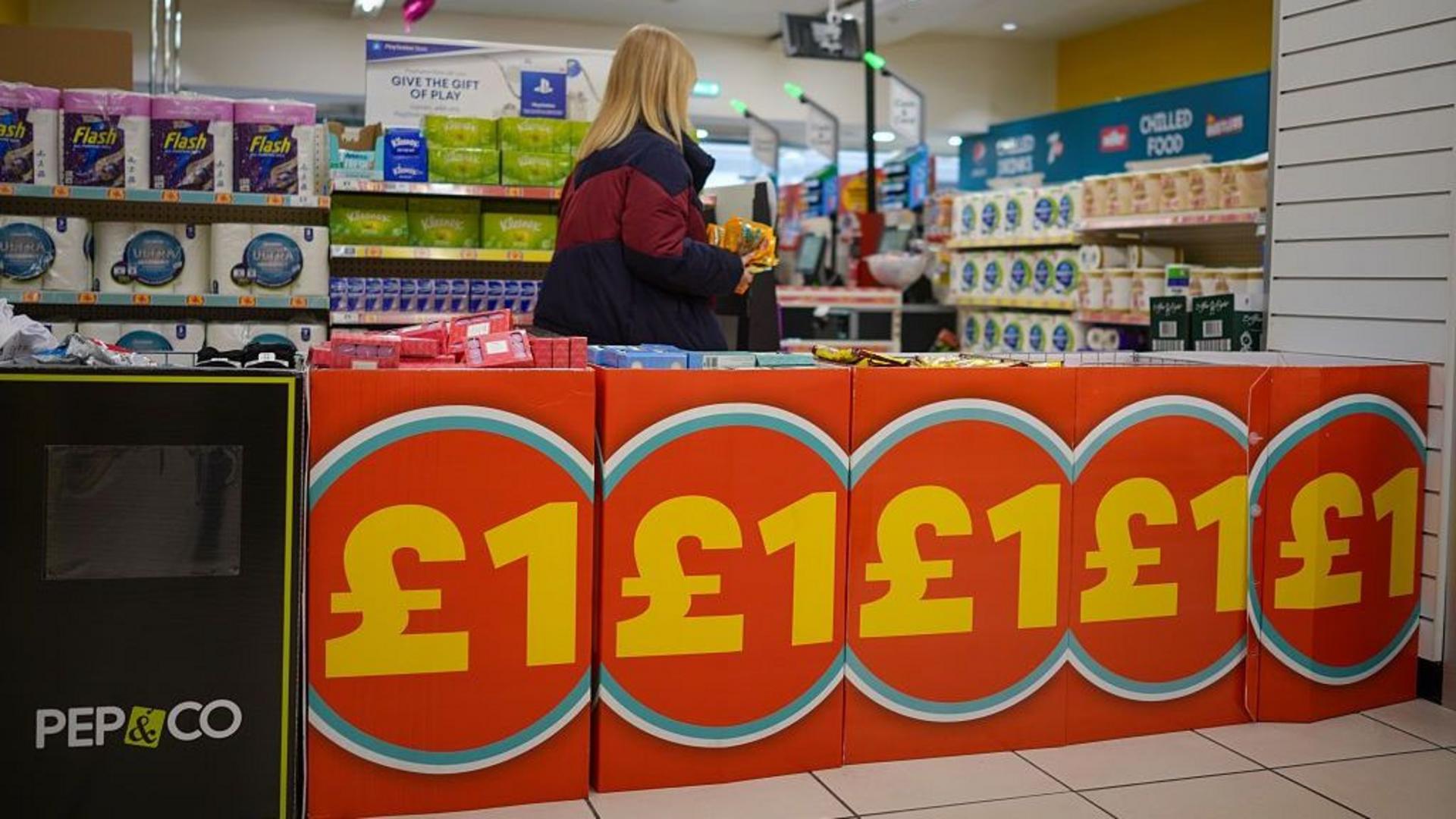
When Gordon Brothers bought Poundland from Pepco last year for a nominal £1, the American investment firm inherited a struggling retailer in need of stabilization. A little over a year later, the chain faces collapse—not because of weak sales, but because its owners have engineered a crisis. This is not a market failure; it is a failure of corporate stewardship that demands accountability.
The evidence is damning. Managing director Barry Williams told staff that despite Poundland's strong sales and remarkable progress, Gordon Brothers cut off vital funding for day-to-day operations. An offer from Irish firm Martin Property Group sat on the table—a fully funded, ready-to-go bid that would have kept the business intact and protected all 12,000 jobs across 600 stores in the UK and Ireland. Gordon Brothers rejected it anyway. Three independent directors, appointed earlier this month to oversee a sale, resigned in protest, disagreeing with the owners' decision not to accept what Williams called a solvent offer. When appointed stewards of a business resign immediately over a decision, that decision deserves scrutiny.
Gordon Brothers' rationale is transparent and chilling. An insider claimed that breaking up Poundland would allow creditors to recover more money, with current employees potentially finding work with new store owners. The firm wants to extract £30 million from a business it bought for £1, according to Bally Auluk, a national officer at the Usdaw shopworkers union. Breaking the chain into pieces and selling stores to rivals like Poundstretcher, B&M, Lidl, and others may generate that return. The human cost—uncertainty, fear, and disrupted livelihoods for 12,000 workers—is someone else's problem.
Prime Minister Andy Burnham and Business Secretary Jonathan Reynolds have signaled concern, with Burnham saying the government is ready to support Poundland staff and demanding answers about why MPG's offer was rejected. That support is welcome, but it comes too late to prevent the damage already done. Burnham should not merely ask why the offer was rejected; he should investigate whether Gordon Brothers' actions constitute market manipulation or abuse of creditor powers that warrants regulatory intervention.
Poundland employs around 20 million customers per year across stores selling low-cost everyday products and essentials. This is not a vanity business; it serves communities where affordability matters most. That Gordon Brothers can dismantle it for profit while pretending staff will land on their feet through piecemeal acquisitions is corporate cynicism dressed as economics. The government must ensure that if Poundland enters administration, the process protects workers first, not investor returns.