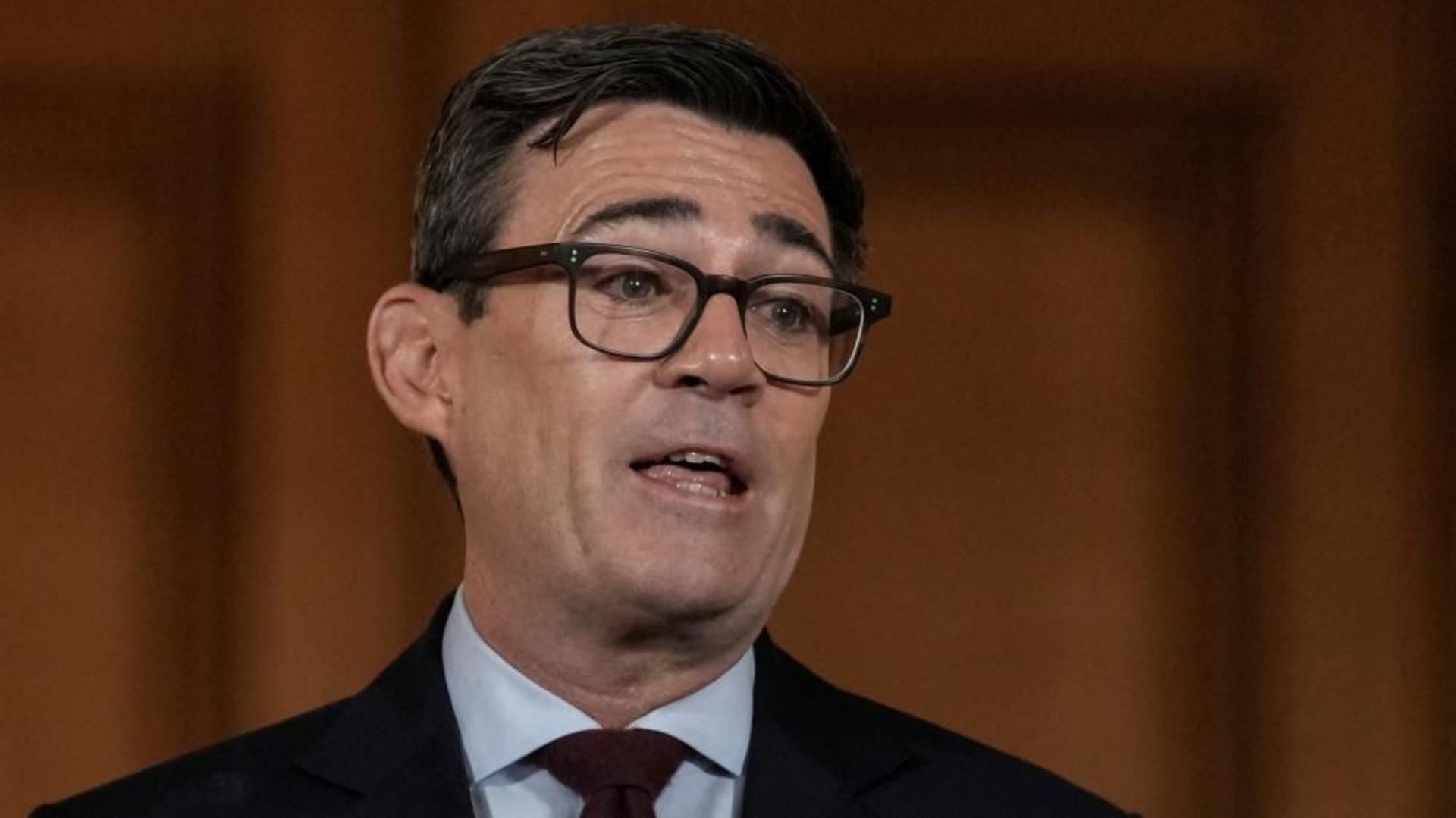
Prime Minister Andy Burnham said he is open to a formal British apology for the country's role in the transatlantic slave trade, but ruled out financial reparations.
Burnham wrote that he wanted a "structured dialogue" with affected Commonwealth nations and would listen to calls for an apology, which he called "the right thing to do." He rejected reparations, arguing that British people today cannot be held liable for historical wrongs committed "in a different age under different laws" in which they played no personal part.
The All-Party Parliamentary Group for Afrikan Reparations welcomed his openness to an apology but said it fell short. Chair Bell Ribeiro-Adday told BBC Radio 4 that an apology "costs nothing" and that acknowledgment without understanding was insufficient. She noted no formal invoice for financial reparations has been presented to the UK.
Barbados Prime Minister Mia Mottley, who has sought reparations, welcomed Burnham's statement and said she would engage in good faith while continuing to seek reparatory justice. Denis O'Brien, founder of The Repair Campaign, said the statement was disappointing and called for a full formal apology now.
Burnham's position aligns with his predecessors. Britain abolished slavery through Parliament in 1833, paying plantation owners compensation for their enslaved people. The UK finished repaying the debt it incurred for those payments in 2015.
The statement comes ahead of a Commonwealth leaders summit in the Caribbean next week, where King Charles III has been touring and references to slavery's legacy have increased.