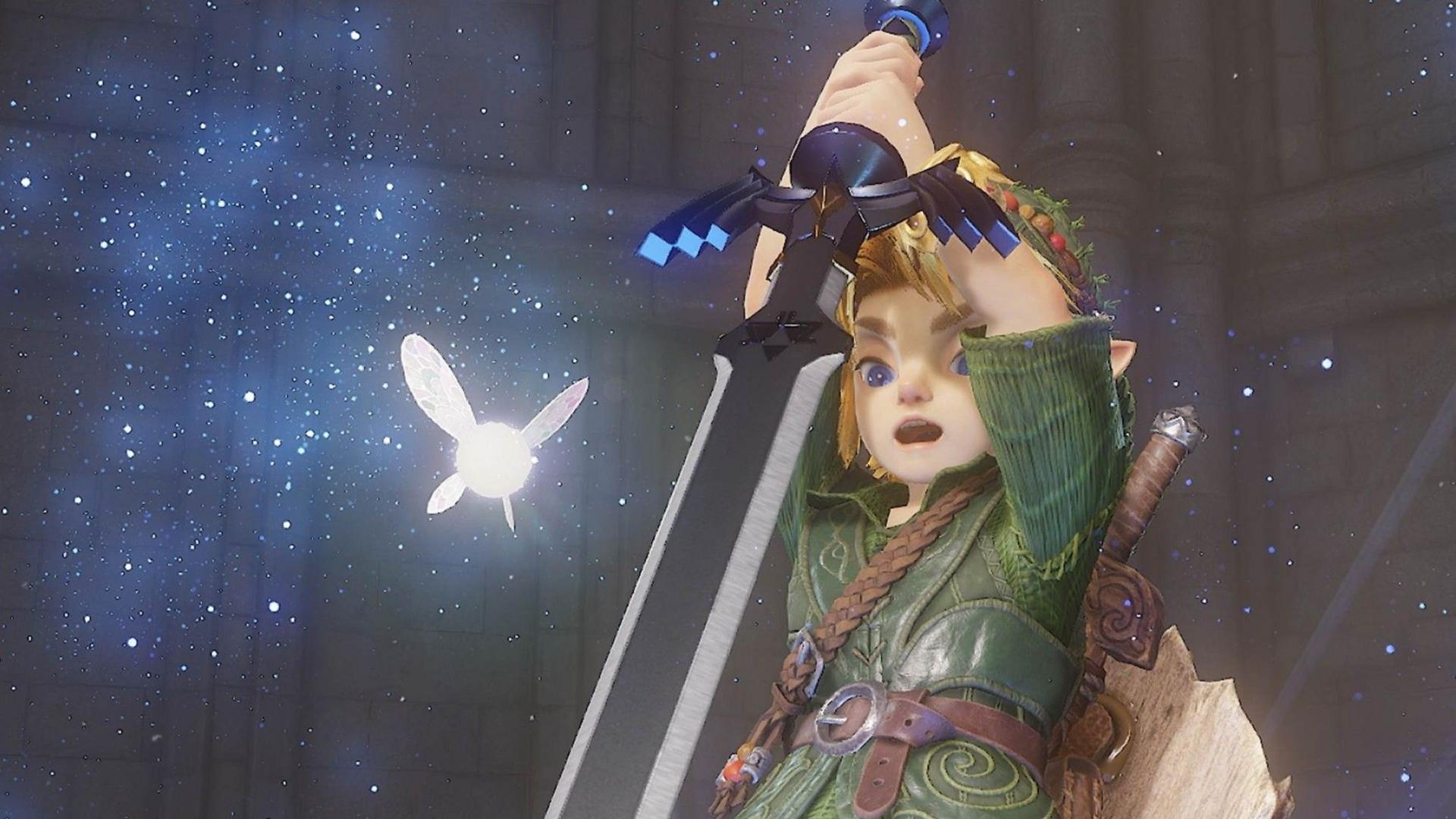
Nintendo is remaking The Legend of Zelda: Ocarina of Time for the Switch 2, arriving later this year. The original game, released in 1998 for the Nintendo 64, remains widely regarded as one of the greatest video games ever made.
The remake taps into nostalgia, a powerful emotional force in gaming. Kacey Doran, who completed the original as a 10-year-old with her younger sister, felt memories rush back upon seeing footage of the redesigned version. She now teaches esports at Rowan University in New Jersey and hopes to share the game with her sister's children.
Nostalgia in gaming works differently than in other media, according to Tim Wulf at the Centre for Advanced Internet Studies in Bochum, Germany. Players can "jump into the same environment" they remember, making games function like emotional time machines. Wulf notes that nostalgia carries both happiness and sadness: joy in remembering important moments and awareness that those moments have passed. The emotion also reinforces social bonds, since nostalgic memories connect to other people.
The gaming industry has long relied on remakes and remasters across franchises like Mario Kart, Final Fantasy, and Pac-Man. Piers Harding-Rolls, head of games research at Ampere Analysis, calls the strategy "really successful" and notes it is often cheaper than developing new titles from scratch. Recent remakes of Resident Evil 4 and Assassin's Creed Black Flag have found large audiences.
But remakes carry risks. Some fans are protective of originals and set high expectations. Angry fan reactions can damage a game's reception. Developers must balance appealing to nostalgic audiences with creative freedom, according to Stephanie Ijoma, CEO of NNESAGA, a games consultancy. "You can't make art in fear, you can't create in fear," she says.
Remakes also serve practical purposes beyond nostalgia. Older hardware and consoles are difficult to access today. Niklas Hallin, an indie developer, struggled to play Silent Hill 2 on vintage systems before a recent remake made the game accessible on modern hardware. Final Fantasy VII's 2020 remake allowed Ijoma to share her 1997 experience with younger players.