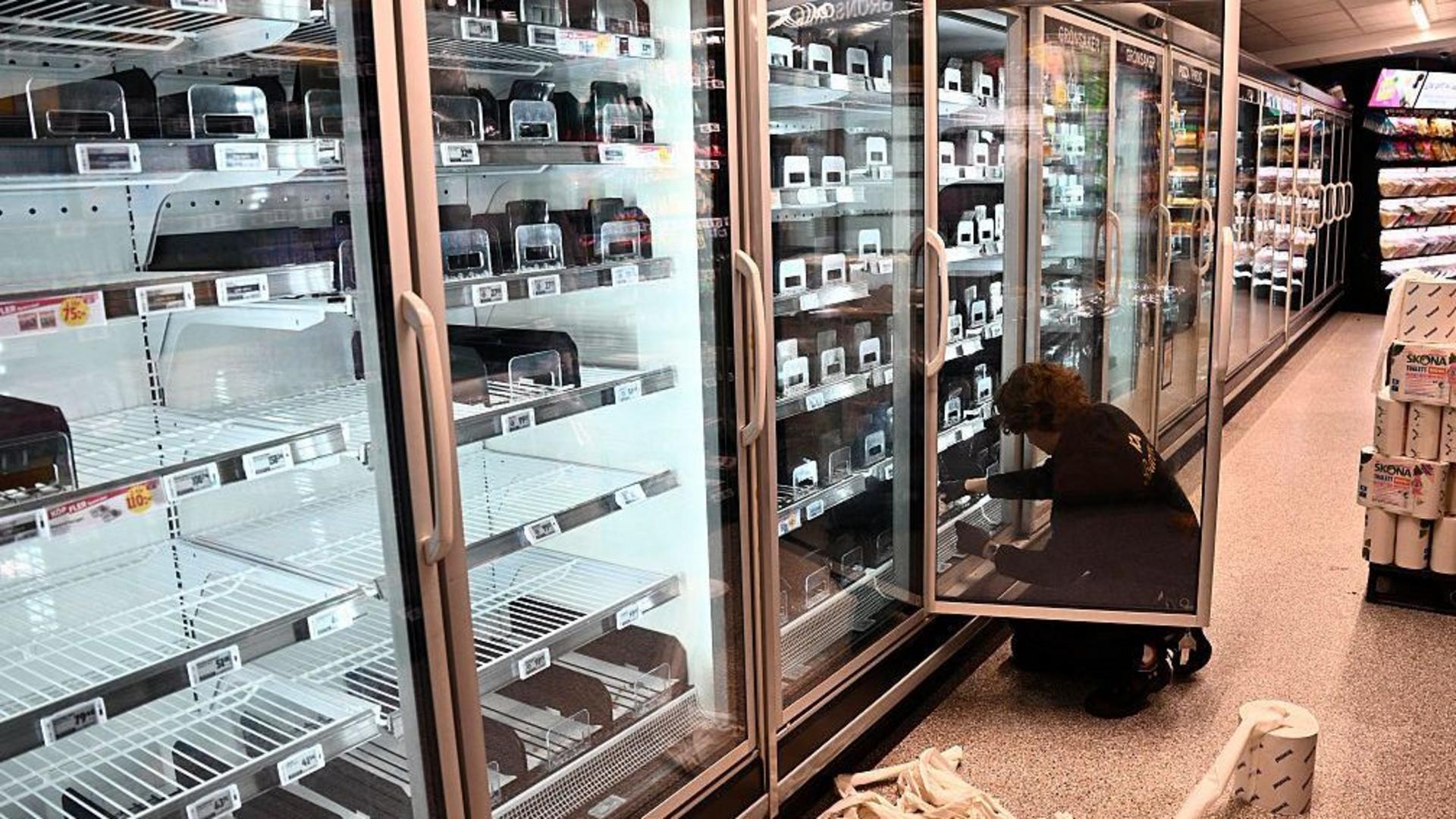
Cyber-attacks hit supermarket refrigeration units across Europe on Monday, affecting retailers in Belgium, Luxembourg, Sweden, Ireland, the Netherlands, Estonia and Finland. The hackers exploited known vulnerabilities in systems used to remotely control cold storage units, causing freezers to warm up and spoil fresh and frozen food worth millions of euros.
The UK's National Cyber Security Centre (NCSC) confirmed it is aware of "a couple of instances where vulnerable technology had been exploited in the UK." NCSC chief executive Dr Richard Horne said the centre "worked through the night" to alert potentially affected organisations. The British Association of Independent Meat Suppliers told the BBC that some of its more than 300 members became "collateral" in the attacks, though none lost meat.
Around 40 Delhaize supermarkets in Belgium and Luxembourg were affected. Sabcobel, the Belgian company that manufactures some units, said the attackers switched evaporators to defrost mode. The same method was used in attacks on French supermarkets in early October that destroyed food worth millions of euros.
Horne said it remained "too early to say" who was behind the hacks. He told the BBC that the incidents exposed how many organisations use outdated systems that lack proper security updates or network isolation. "That technology base we rely on as a society has not been invested on to the extent it needs to be," Horne said. He warned that adversaries using AI tools could identify and exploit such vulnerabilities more quickly.
The British Retail Consortium said retailers invest heavily in cybersecurity and are working with the NCSC to secure their refrigeration systems.