**Graduates managing AI agents but missing core professional skills**
Universities are producing graduates hired specifically to manage AI systems, but their specialized roles may limit foundational learning in their fields.
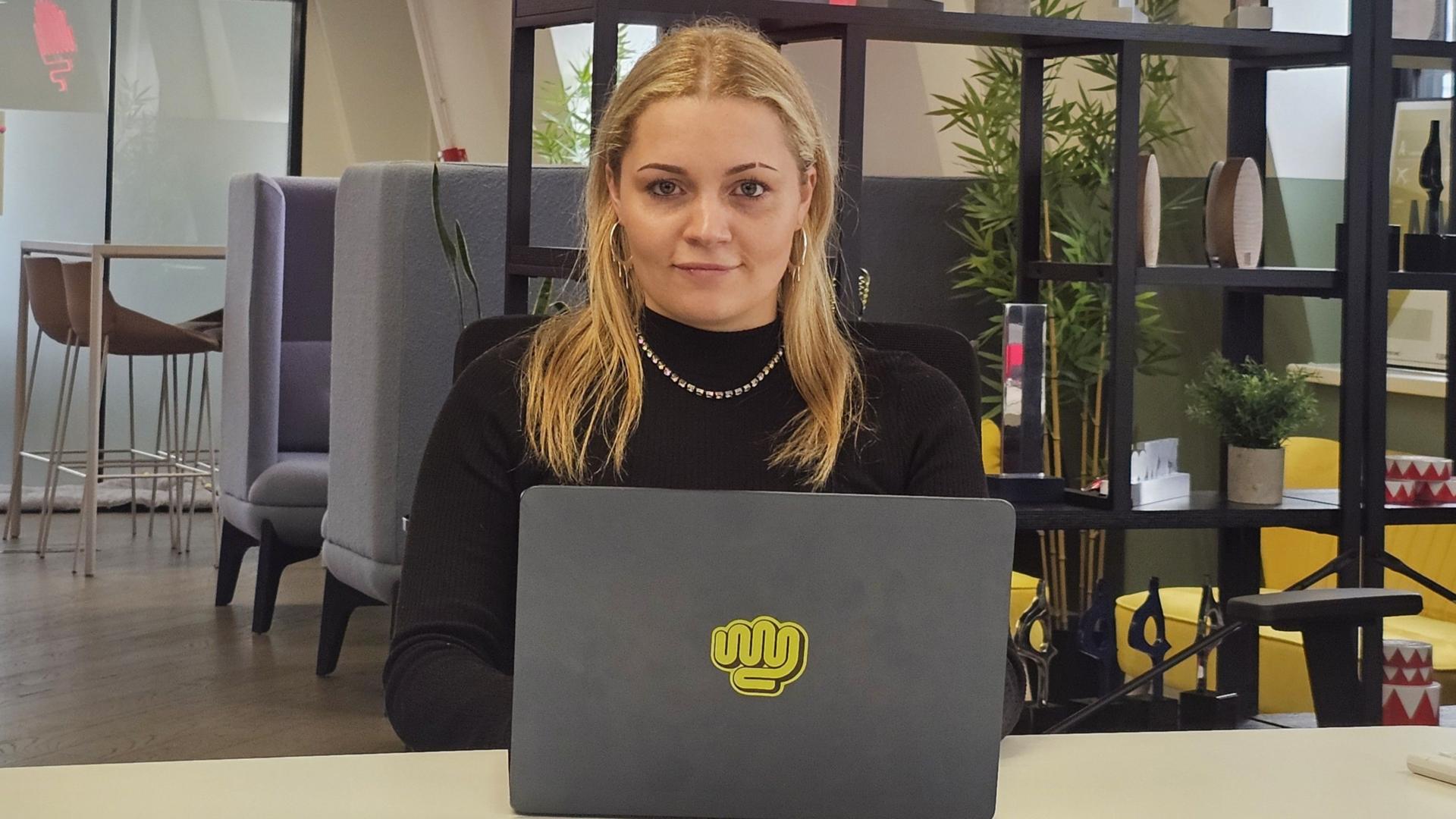
Lotte Underwood, 25, joined London PR agency Fight or Flight in November as an "AI associate" after completing degrees in marketing. She manages around 30 AI agents built by the agency that handle industry research, client reporting, media preparation and image generation. She spends most of her time checking AI outputs and feeding results to colleagues rather than doing traditional PR work.
Dillan Patel, 24, joined engineering software company Stride 18 months ago as an intern and now works as an AI automation analyst, developing internal chatbots and agents while identifying tasks suitable for automation.
Companies are creating these roles as AI-specific graduate positions multiply, even as AI drives broader graduate job cuts. ArvatoConnect CEO Debra Maxwell said the company paused its usual graduate intake but plans to resume next year with focus on "AI-disruptor" roles where graduates identify new applications for AI.
Research from consultancy PwC found entry-level roles most influenced by AI are now seven times more likely to require traditionally senior-level skills such as strategic decision making and team building. Those demanding entry-level roles grew 35 percent since 2019, while other entry-level roles shrank 10 percent.
Cian Clinton, 23, who joined consultancy Valliance after graduating in 2024, uses around 10 AI agents daily. He says the role makes him feel like an equal team member rather than a junior employee, and believes his career progression will accelerate.
But concerns exist. Underwood acknowledged she has not yet directly pitched to media contacts. Simon Pratt, chief operating officer at Portman Finance Group, said his company's two-year graduate programme centers on "learning the trade" across four areas because being AI-capable alone is insufficient. Claire Reed, PwC UK's chief technology and innovation officer, stated graduate roles too focused on AI may not provide long-term career progression.