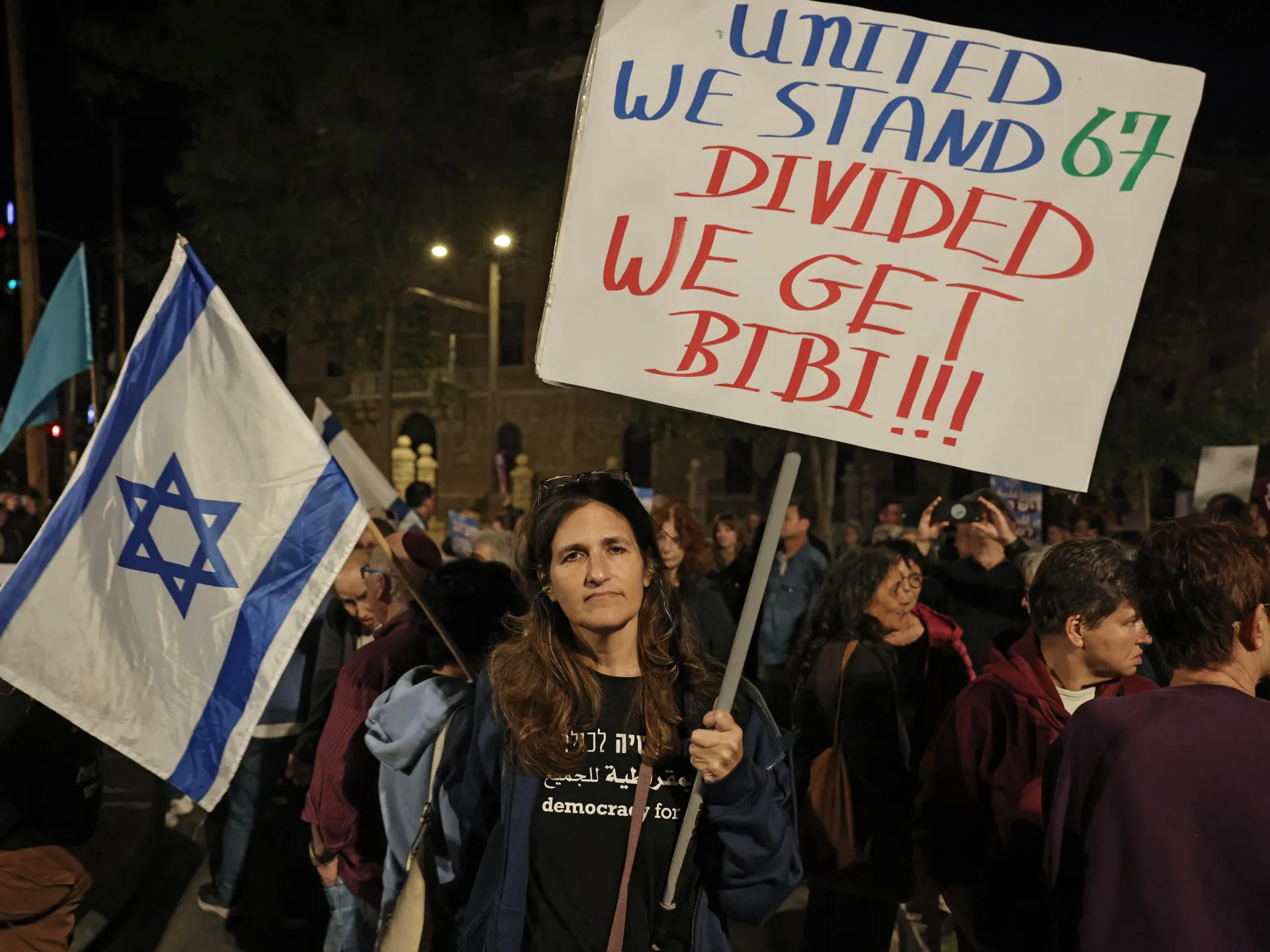
Israeli opposition leader Gadi Eisenkot received a mandate Saturday from President Isaac Herzog to form a government within 28 days after Prime Minister Benjamin Netanyahu's coalition lost its parliamentary majority in October elections.
Eisenkot, 66, leads the Yashar party and must assemble 61 seats in the 120-member Knesset. His potential coalition partners control 48 seats combined: Yashar holds 21, the centre-left Democrats hold seats under Yair Golan, Naftali Bennett's Together party, and Avigdor Lieberman's Yisrael Beiteinu. Arab-led parties Ra'am and the Joint List, holding 19 combined seats, have endorsed his attempt but Eisenkot has ruled out including them in his government. Lieberman has rejected relying on them externally. Eisenkot's Democrats leader Golan said "We must no longer accept Netanyahu's racist division between Jewish votes and Arab votes."
Eisenkot faces multiple paths. A minority government backed externally by Arab parties from outside would give him 67 seats. He could also bring the two ultra-Orthodox parties, Shas and United Torah Judaism, holding 13 seats combined, which would reach 61 but requires compromise on military conscription exemptions. United Torah Judaism declined to endorse Netanyahu during consultations with Herzog but has not ruled out supporting him in future negotiations.
Netanyahu's Likud holds 27 seats, down from 64 in his 2022 coalition. A unity government with Netanyahu's Likud and Eisenkot's bloc would command 67 seats but would require abandoning Eisenkot's central election pledge to remove Netanyahu.
If Eisenkot fails within 28 days, he can seek a 14-day extension. Herzog could then offer Netanyahu the opportunity to form a government, followed by other candidates nominated by parliament if both fail.