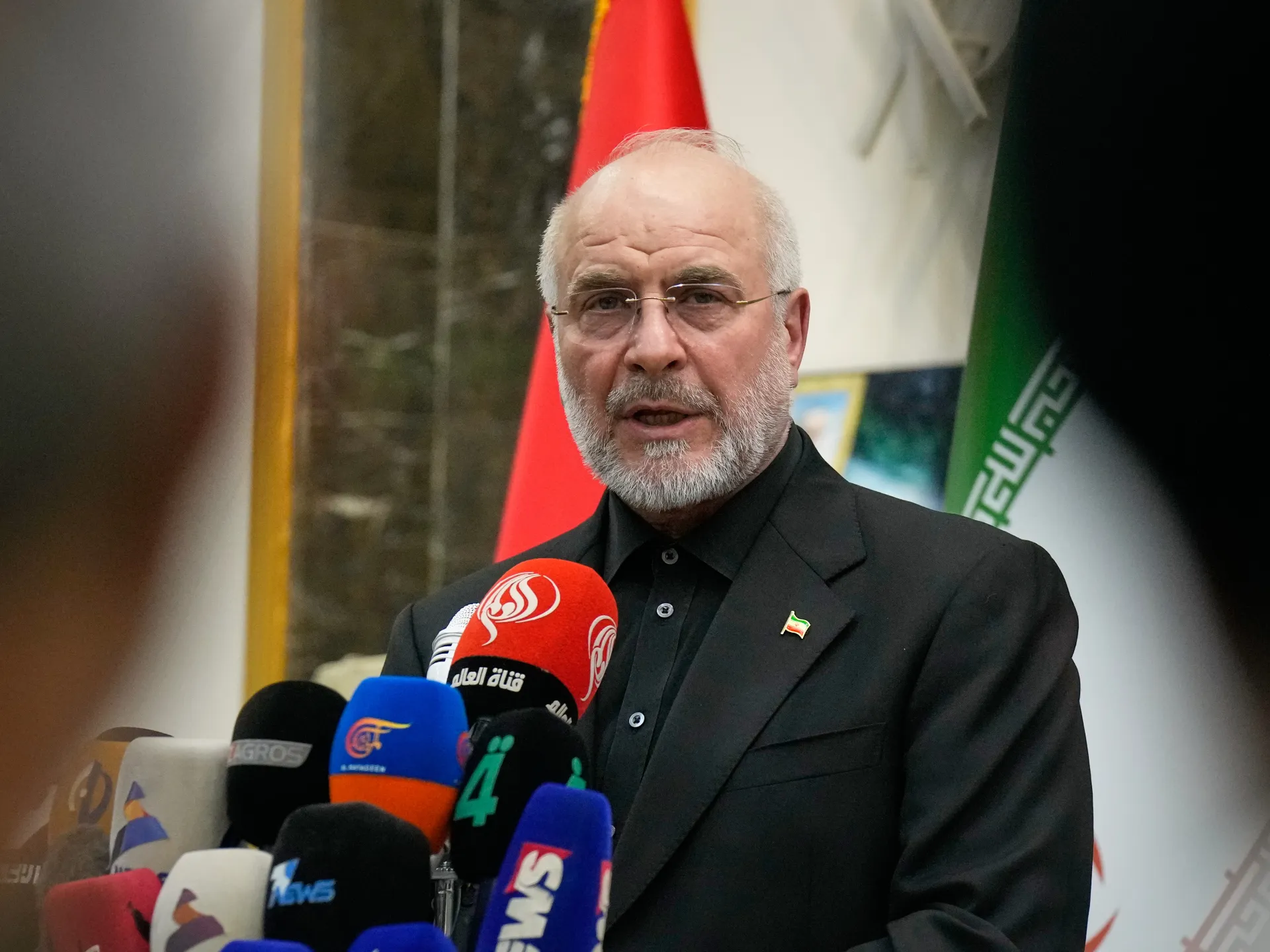
Mohammad Bagher Ghalibaf, Iran's parliament speaker and top negotiator, told Al Jazeera that the Strait of Hormuz will "never return" to its pre-war status. He said Iran and Oman reached an understanding to oversee the critical waterway as part of Tehran's seven-point proposal to end the conflict.
Ghalibaf said the 1982 UN Convention on the Law of the Sea does not apply to the strait and that its regulations are governed by the two littoral states that border it. He stated there are no "free waters" or international waters there.
Iran provided its seven peace conditions to the US through a Qatari mediator, Ghalibaf said. The conditions include lifting the US naval blockade and sanctions, releasing Iranian frozen funds, ending fighting on all fronts, and an explicit announcement of an end to the war. He said implementation of these demands was necessary before entering negotiations with the US.
"The ball is now in the American court," Ghalibaf said. He added that "if America limits itself to what has been agreed upon without making excessive demands or engaging in behaviour that breeds distrust, then, naturally, reaching an agreement is possible."
Ghalibaf warned against new US attacks, saying President Donald Trump will face another defeat and political pressure from the new Congress taking office in January. He said Iran is determined to move beyond a state of "no war and no peace" and needs sustainable deterrent capability, including military capabilities.
On Yemen, Ghalibaf said no one should interfere in the conflict between the Saudi-backed government and the Houthis, though Iran would offer assistance if both the Yemeni government and Saudi Arabia asked for it.