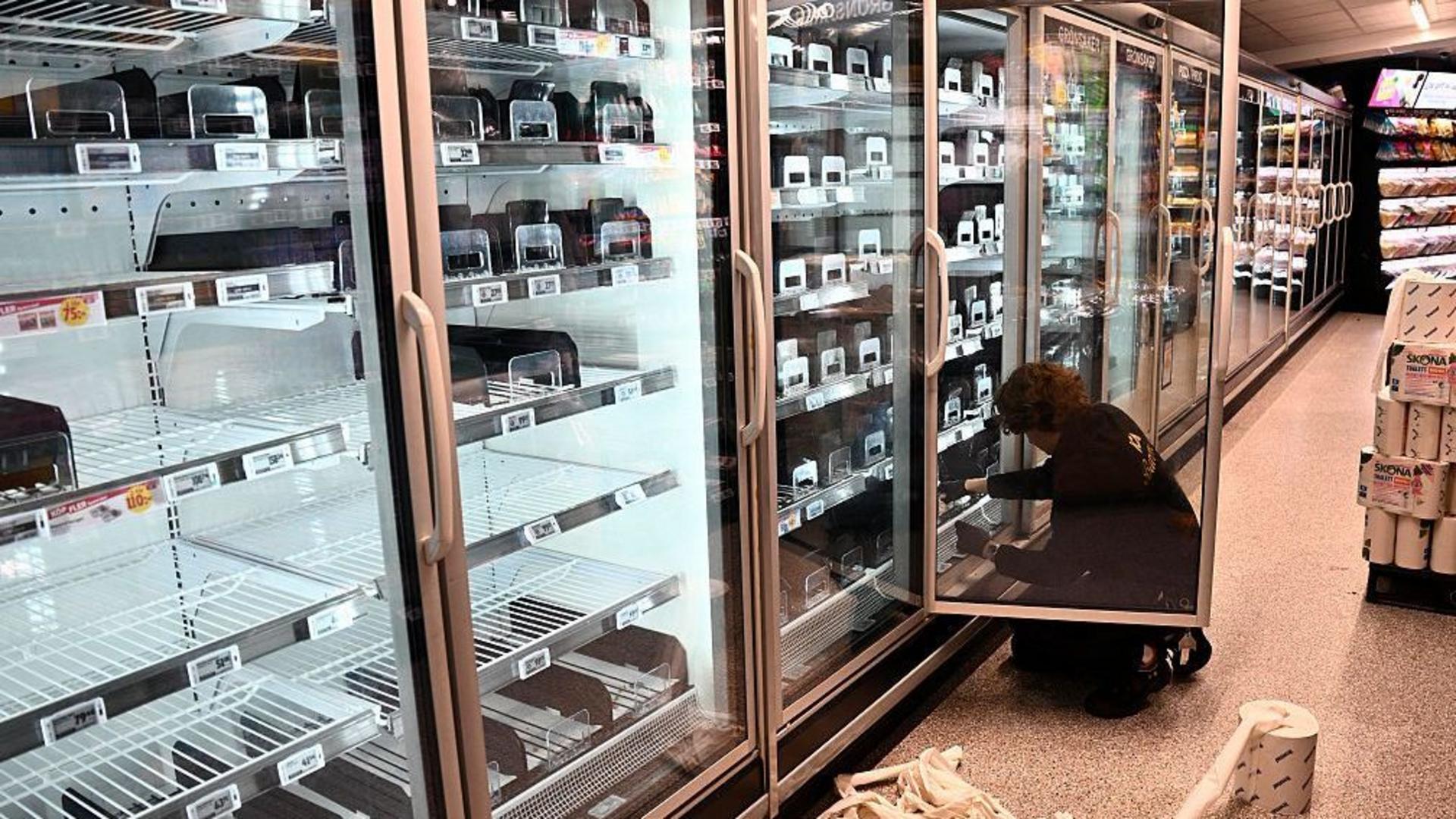
A secret UK cyber-security operation has taken tens of thousands of refrigeration devices offline at supermarkets, warehouses, restaurants, petrol stations and stadiums to prevent hackers from exploiting a newly discovered vulnerability, the BBC has learned.
Security researchers at Omega Systems identified a major flaw in late October in devices made by British firm Resource Data Management (RDM) that control UK refrigeration units. Experts at Pen Test Partners verified the flaw and alerted the National Cyber Security Centre, the Department for Environment, Food & Rural Affairs and the Food Standards Agency, who then contacted dozens of at-risk companies.
The operation remained secret until now to reduce the chance hackers would find and exploit the vulnerability. Workers at major supermarkets took hundreds of devices offline daily over several days, either by disconnecting internet cables or removing devices remotely. One employee at a large supermarket chain said the operation felt "like a race against time" because of the risk of spoiled food worth millions of pounds.
The concern stemmed from earlier hacks this year. In August, temperature controllers at US military bases were targeted. On October 11 and 12, Danfoss controllers at hundreds of supermarkets and food processing sites in France were hit. On November 1 and 2, controllers in seven European countries were compromised, with Belgium and Luxembourg most affected.
Ken Munro of Pen Test Partners said the RDM controllers had similar weak password problems to the Danfoss units that were successfully attacked. "It was likely a matter of days until criminals or nation state hackers figured it out," he said.
RDM disputes the critical nature of the vulnerabilities. CEO Ged Evans said the security test "went beyond" normal practice by including hardware dismantling, and said no malicious activity had been detected on the controllers. RDM said it has deployed patch releases and is working with customers and authorities.