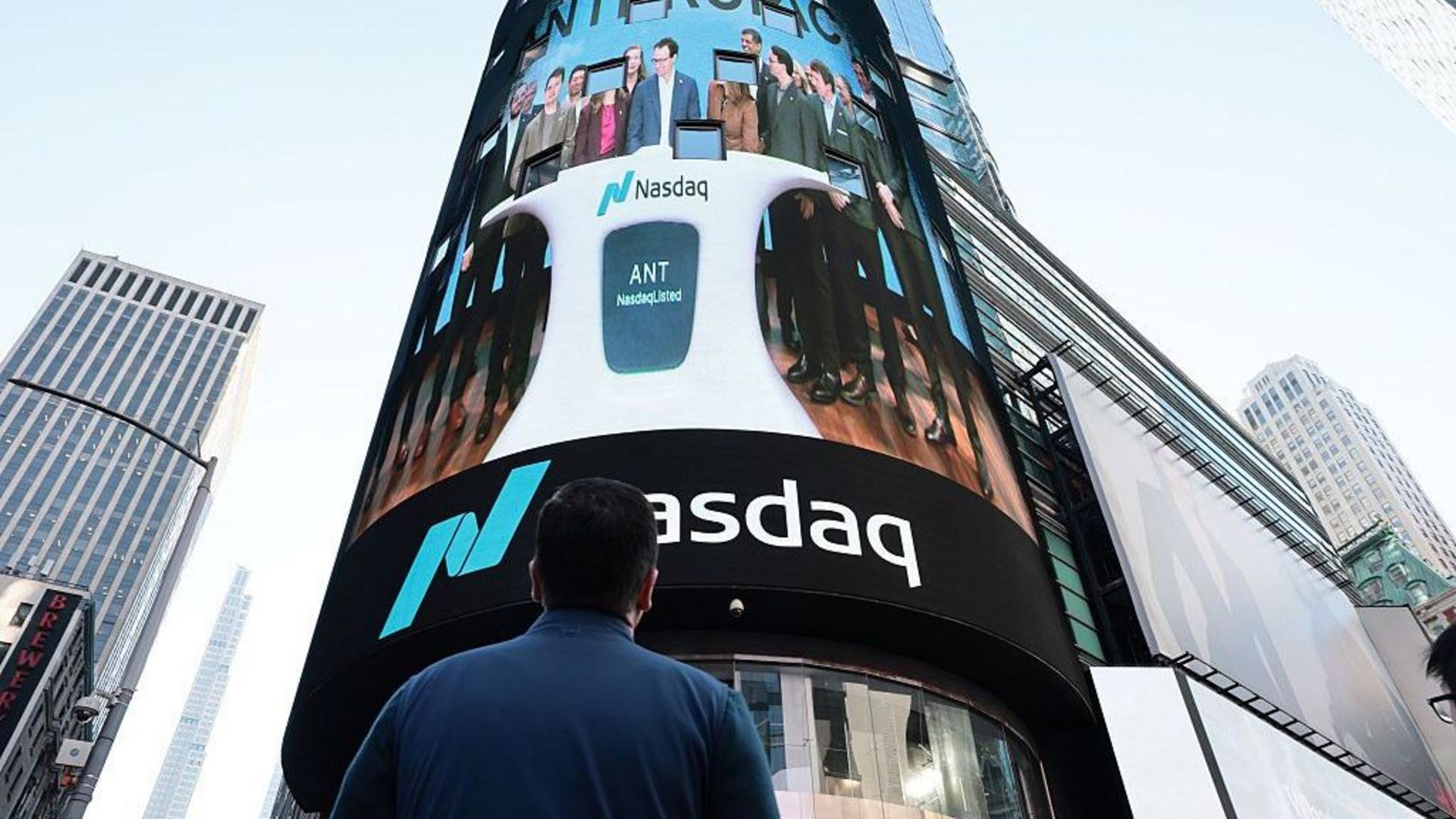
Anthropic's debut on the Nasdaq on Thursday seemed like a triumphant moment for artificial intelligence. Trading started at $111.50 and closed up 17% at $97.17, suggesting investor confidence in the frontier AI sector. By Friday, however, the company's shares had fallen more than 12% to about $85—perilously close to its initial public offering price of $83. This reversal tells us something crucial: the market's euphoria over AI has collided with hard reality, and reality is winning.
The numbers reveal a market in crisis. The S&P 500 closed down 3.7%, the Nasdaq Composite Index plunged 5.3%, and both the S&P 500 and Dow Jones Industrial Average have entered correction territory, trading at 10% or more down from recent highs. This sell-off extends beyond Anthropic. Nvidia shares plummeted 13.7% following reports of a US Securities and Exchange Commission investigation into the company's accounting practices. Tesla and SpaceX both fell more than 7.6%, while Meta closed down more than 5% and Amazon more than 4%. The contagion spread globally, with Taiwan's stock market dropping about 6% on Friday, taking its weekly fall to more than 17%—reportedly its biggest weekly fall since 1990.
The fundamental problem is becoming impossible to ignore. Major tech companies have spent more than $1 trillion on AI investment in the last year alone, yet serious questions persist about whether those investments will ever pay off and when that payoff might arrive. Ed Moya, a strategist at AlphaSense, told the BBC that investors are now trying to answer how much they are willing to pay for growth. Wall Street, he explained, is attempting to shift "from rewarding growth at any price, to demanding stronger cash flow and a clearer path to profitability." This represents a seismic shift in investment philosophy—and it comes far too late for many overvalued companies.
The timing could hardly be worse. Democrats' resounding win in the US midterms in early November sparked fears of a reduction in AI development, adding another layer of uncertainty. Anthropic's blockbuster IPO was supposed to restore confidence in the broader AI market, but as Moya noted, it has failed to do so.
What comes next matters enormously. The AI sector must move beyond the fantasy of infinite growth financed by investor euphoria. Companies must demonstrate concrete paths to profitability, sustainable competitive advantages, and genuine returns on massive capital investments. The market's brutal correction this week is not a temporary setback—it is a necessary reckoning. Only companies that can survive this harsh new scrutiny deserve to thrive. The question now is not whether the AI bubble will burst; it already is. The question is whether anything valuable lies beneath it.