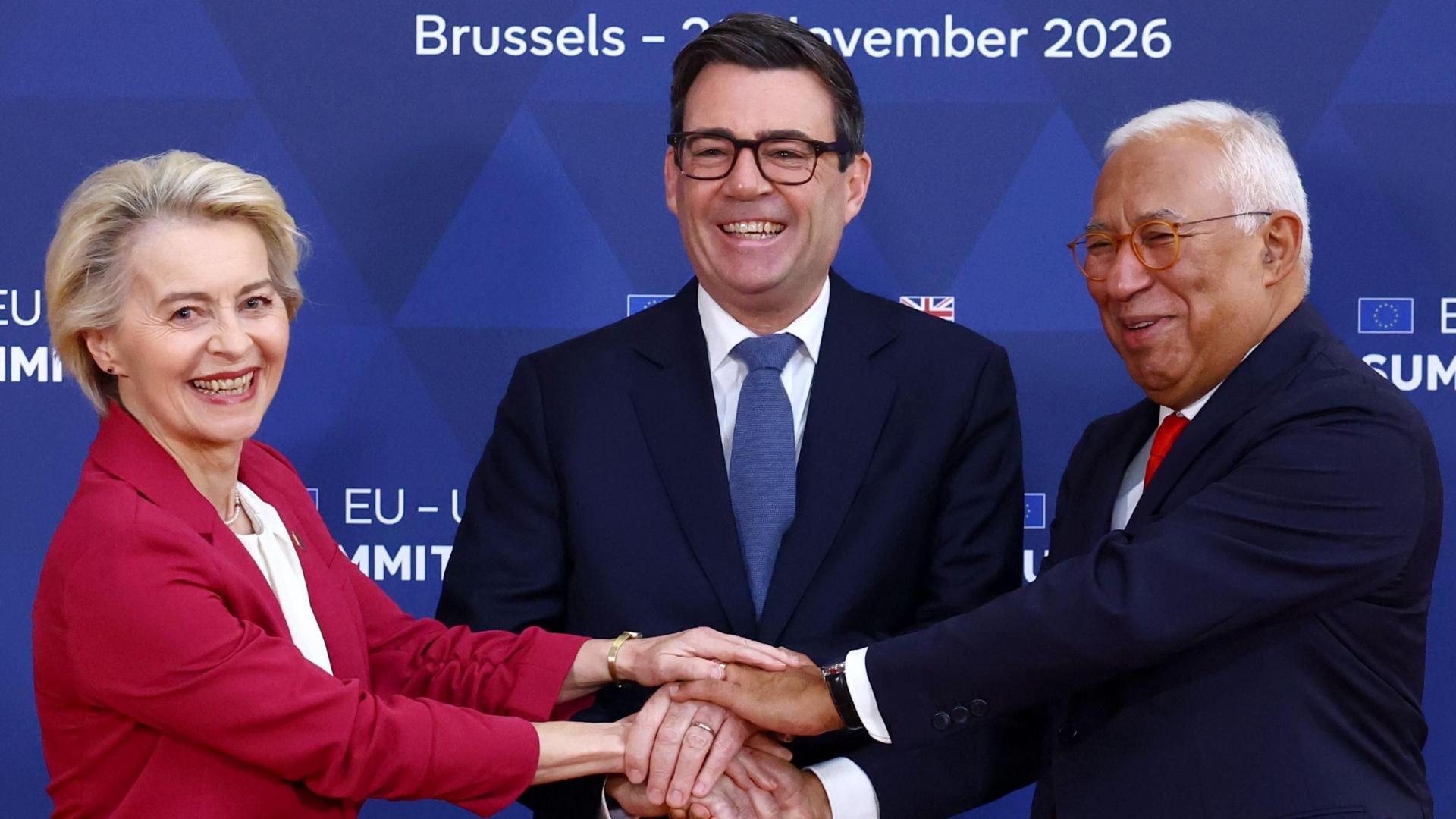
UK Prime Minister Andy Burnham agreed a deal with the EU covering food exports, emissions trading and a youth mobility scheme, and said the government will explore options for even closer ties in coming months.
The deal scraps most checks on British food exports from 2028 in return for the UK following some EU regulations. A youth scheme will allow up to 100,000 EU citizens aged 18 to 31 to work, travel and study in the UK for up to three years, with the same reciprocal access for British young people, available by January 2030 at the latest.
The Treasury estimates the package could boost UK GDP by 0.5 percent, or £17bn annually, though Conservative leader Kemi Badenoch disputed the figure, saying the only modelling she has seen suggests it is 0.0 percent.
Burnham said the two sides will conduct an "informal brainstorming process" over coming months to examine longer-term relationship options. He stated this represents "probably the limit of what we can achieve in this Parliament" and that decisions on a long-term relationship will fall to the next parliament, with the next UK election by August 2029. Labour's 2024 election manifesto ruled out returning to the single market, customs union or freedom of movement.
European Commission President Ursula von der Leyen called the summit a "turning point" and said the EU is "open for brainstorming." Reform's Nigel Farage called the deal a "betrayal of the British people." Liberal Democrat leader Sir Ed Davey said the agreement amounts to "tweaks" rather than fundamental change.
Legislation to implement the deal is expected in UK Parliament next week.