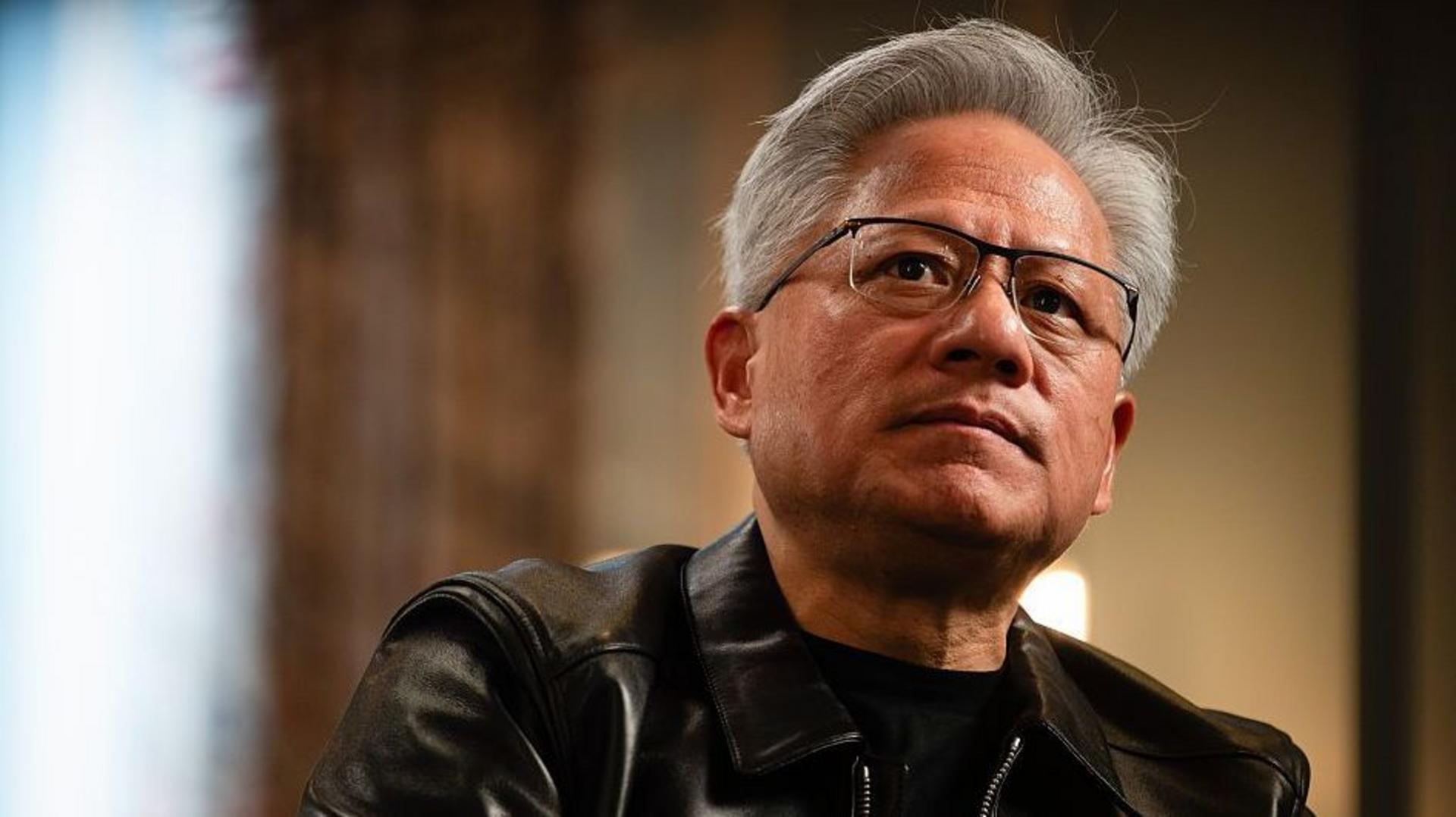
Jensen Huang returned to his role as chief executive of Nvidia after 11 days away, following a decision by the company's board to reinstate him. The move came after revelations of extramarital affairs prompted his initial departure.
Nvidia manufactures microchips essential to artificial intelligence systems and has dominated that market after pivoting from graphics processing. The company ranks among the world's most valuable firms, with quarterly sales that have doubled year-over-year.
Huang maintained direct oversight of up to 200 people at Nvidia and played a central role in the company's shift toward AI. His brief absence raised concerns among some investors and tech executives about whether the company might change strategy or reduce spending, potentially rippling through the wider US economy.
Nvidia has built what the report describes as "circular financing" arrangements. The company sells microchips to customers including Meta, SpaceX and OpenAI, while also providing loans and direct investments to them and other firms in its supply chain. Some investors worried that if Nvidia reduced spending, it could trigger cutbacks elsewhere.
Tech leaders including Elon Musk and Epic Games CEO Tim Sweeney had called for Huang's reinstatement, with Musk claiming "critical deals" involving Nvidia's technology would be lost otherwise. Stock prices in Nvidia rose on news of Huang's return.
Kathleen Brooks, research director at XTB, said Huang's reinstatement suggested he had the status to shift "the dial for corporate finance" and that "the market loves it." President Donald Trump called Huang a "great patriot and national treasure" and said the country needed his leadership for "the success and prosperity of not only the company, but the American economy."
Goldman Sachs projects AI investment will exceed $1 trillion in 2026 and remain the "dominant driver of business investment growth" next year.