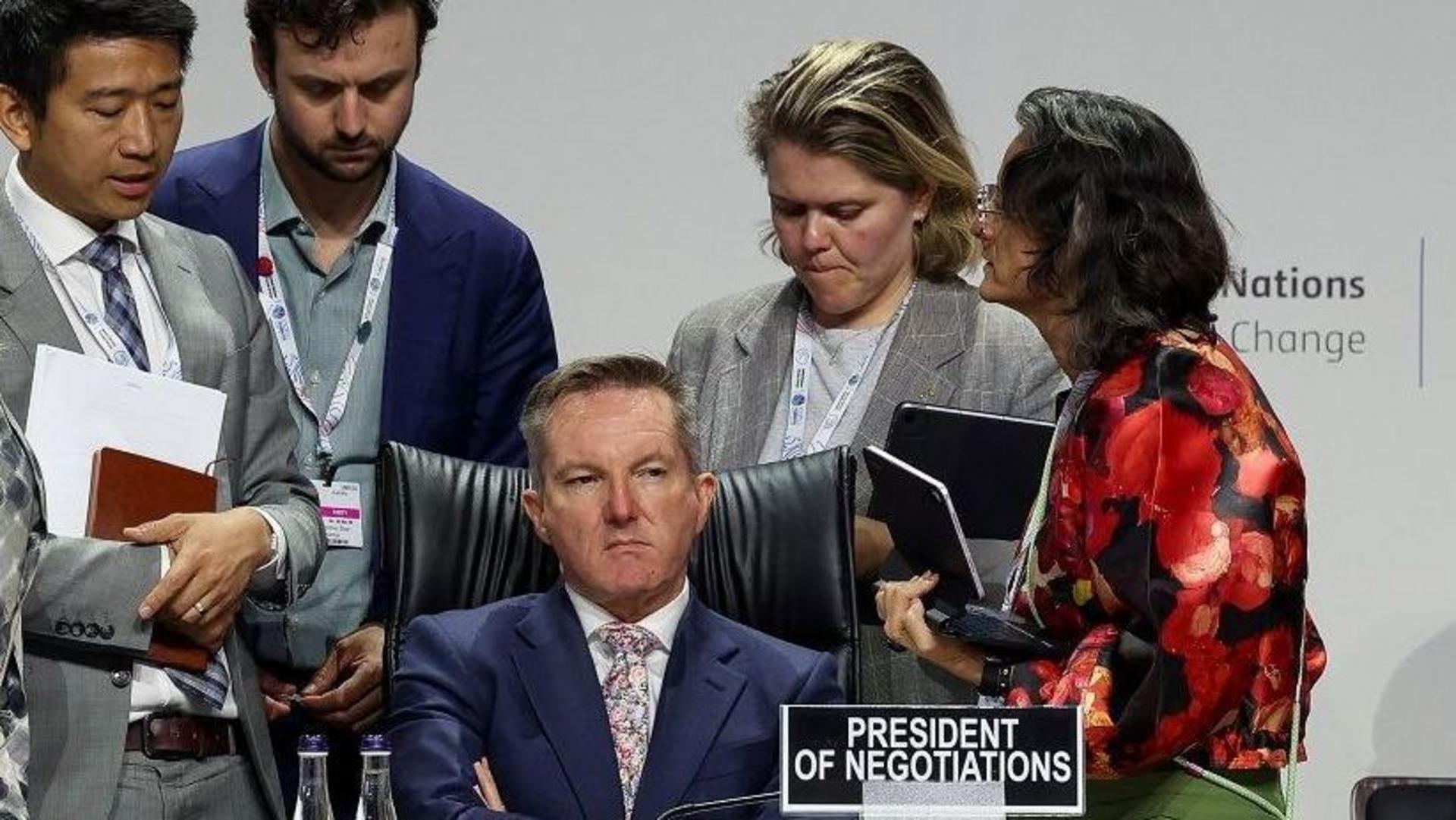
Countries failed to reach a major agreement at the UN's COP31 climate talks in Turkey after the longest negotiations in UN climate conference history. Talks that were scheduled to end Friday ran into Sunday, becoming the first COP since 2009 Copenhagen to collapse without a final political agreement.
The EU, Pacific island nations and others rejected the final draft because it contained no direct mention of fossil fuels, the primary cause of global warming. The only reference to coal, oil and gas was an indirect nod to a 2023 commitment to "transition away" from fossil fuels. Ireland's Darragh O'Brien, speaking for the EU, called it "unconscionable that we would have a climate pact that makes no mention of fossil fuels."
A first draft on Monday mentioned "fossil fuels" six times, but oil-producing nations objected. Saudi Arabia's Mohammad Ayoub said Arab countries account for only a small proportion of historical greenhouse gas emissions. Russia warned that moving away from fossil fuels too quickly would cause "fuel poverty."
Poorer nations also objected to the deal's failure to commit to concrete financial figures for climate adaptation. Last year at COP30, nations agreed to triple such financing, but this year's text contained no reference to specific amounts or a baseline for measurement. Mohamed Adow of Power Shift Africa said "Rich nations and polluting governments cannot keep arriving empty-handed."
Chris Bowen, Australia's minister who led negotiations, cited "unbridgeable red lines" and "the most complicated and fraught geopolitical environment in living memory."
UN Secretary General Antonio Guterres said he was "deeply disappointed" and criticized "powerful fossil fuel interests" for employing tactics he compared to Big Tobacco's approach. Former US Vice President Al Gore called it "outrageous that a handful of petro-states have veto power over any mention of fossil fuels."