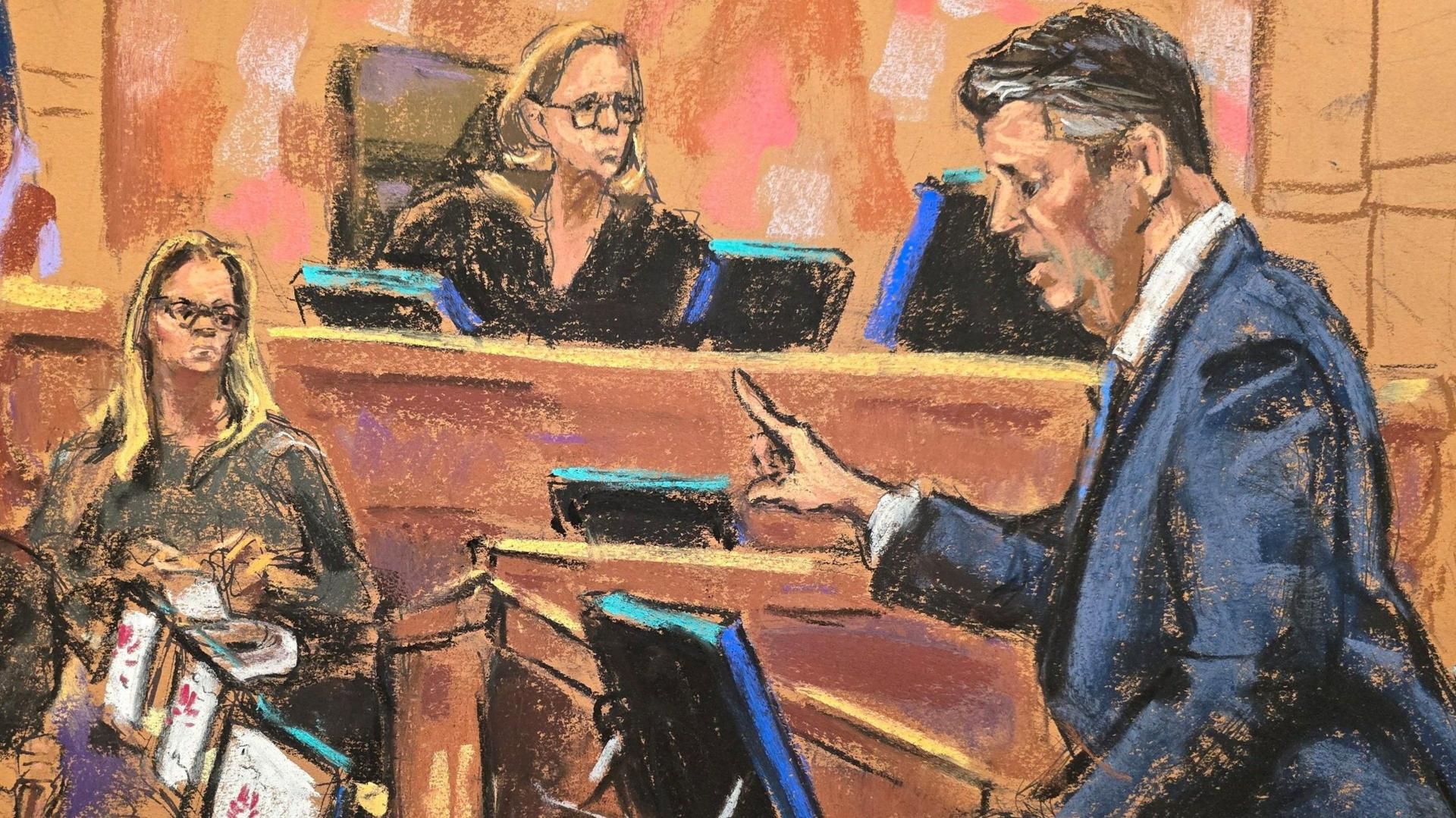
A Brooklyn federal court jury found Huawei guilty of conspiracy to steal trade secrets and bank fraud, but acquitted the Chinese technology company of the more serious racketeering charge.
Jurors convicted Huawei on 10 of 12 counts, including conspiracy to violate US sanctions. The company faced prosecutors' accusations that it lied, cheated and stole to gain competitive advantage over two decades. Huawei's defence team countered that the company's growth across 170 countries with over 200,000 staff resulted from innovation and hard work, not criminality.
US Attorney General Todd Blanche stated: "For decades, Huawei and three of its subsidiaries conducted their business in the United States on the basis of lies and theft."
The jury declined to convict on the racketeering conspiracy count, which required finding Huawei operated as a criminal enterprise. Defence attorney Brian Heberlig told the BBC the racketeering acquittal meant "the jury soundly rejected" the allegation of "a corrupt organisation, with a corporate culture and policy of committing crime."
Huawei said the racketeering acquittal "confirms that these allegations lack factual basis" and stated it would "take all necessary legal actions to defend our rights and interests."
Sentencing is scheduled for September 2027. Heberlig said Huawei expects to appeal and will pursue "every last argument it can through appeal."
Federal prosecutors first charged Huawei in 2019, following the 2018 arrest in Canada of senior executive Meng Wanzhou, who was held for three years before her release through a deal with US prosecutors.
The Chinese government called the case US "suppression" of Chinese companies.