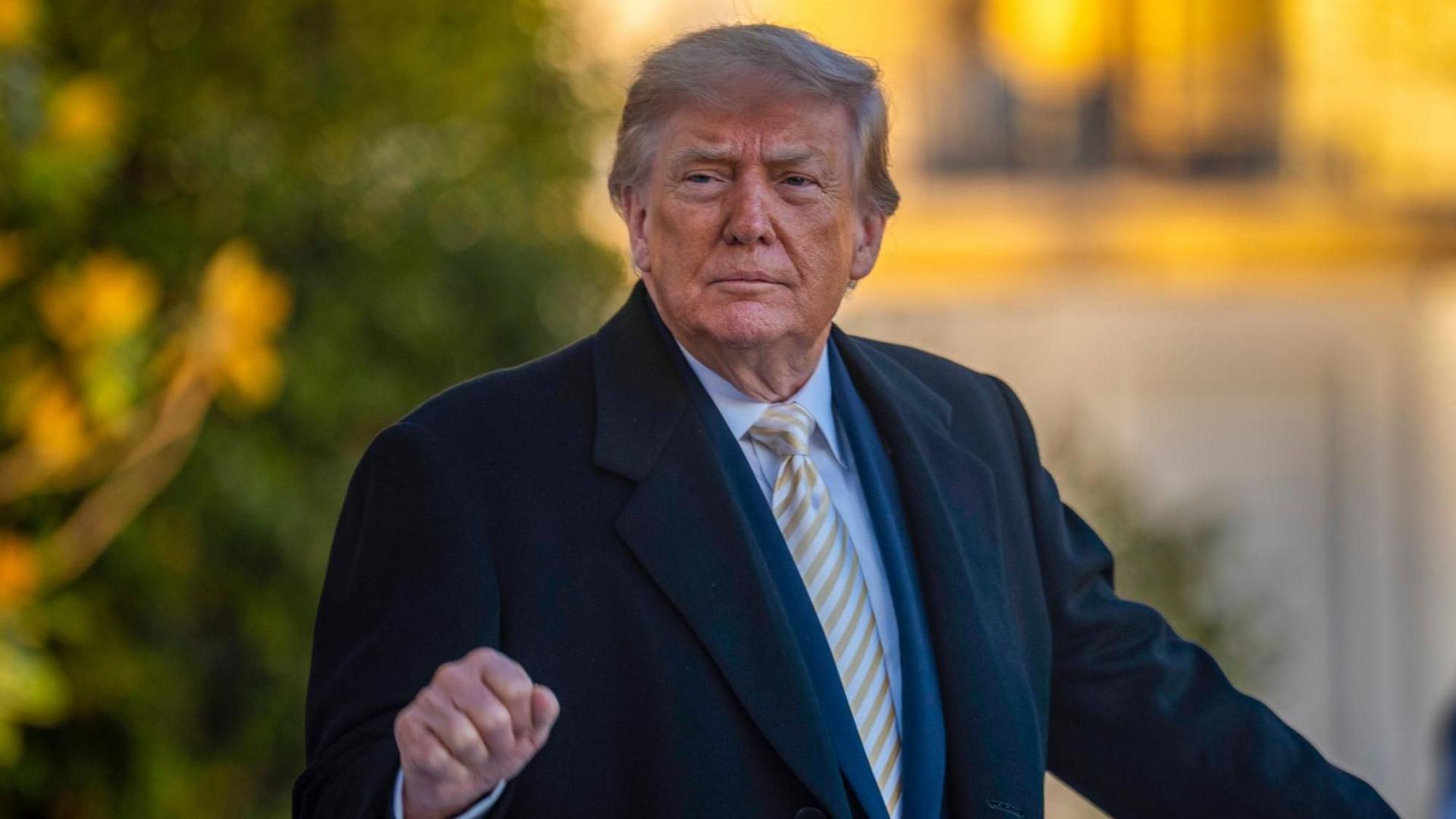
President Donald Trump announced fresh tariffs on 14 major trading partners, including China, the European Union, Japan, South Korea and Taiwan, as the administration pursues what it describes as correcting unfair trade practices.
China faces the highest proposed rate at up to 40%, followed by Vietnam at up to 35%, with others subject to either 20% or 25% tariffs. The US Trade Representative said the levies would "level the playing field for American workers" by addressing what it called decades of industrial strategies by trading partners that included "targeting manufacturing, wage and labor suppression."
The tariffs do not take effect until next year and must go through public consultation and potential hearings. The White House began investigating these trade practices in March after the Supreme Court ruled Trump's previously announced "Liberation Day" tariffs illegal.
Some jurisdictions have negotiated effective reductions. The European Commission said the tariffs are limited to 15% under a prior agreement. South Korea's trade minister called a proposed 15% rate "more than a decent outcome" consistent with an earlier deal.
Affected countries objected to the announcement. Brazil's government expressed "outrage" over a separate 10% tariff proposal, stating that "Brazil will not yield to such threats." Vietnam's deputy prime minister said the tariff rate was inconsistent with bilateral economic cooperation. Japan called the tariffs "regrettable."
Economists warned that tariffs risk fueling inflation and dampening global trade if businesses pass higher costs to consumers. Stephen Brown of Capital Economics said the announcement was "not as alarming as it looks" because the new tariffs largely replace summer announcements and affect a limited number of goods.