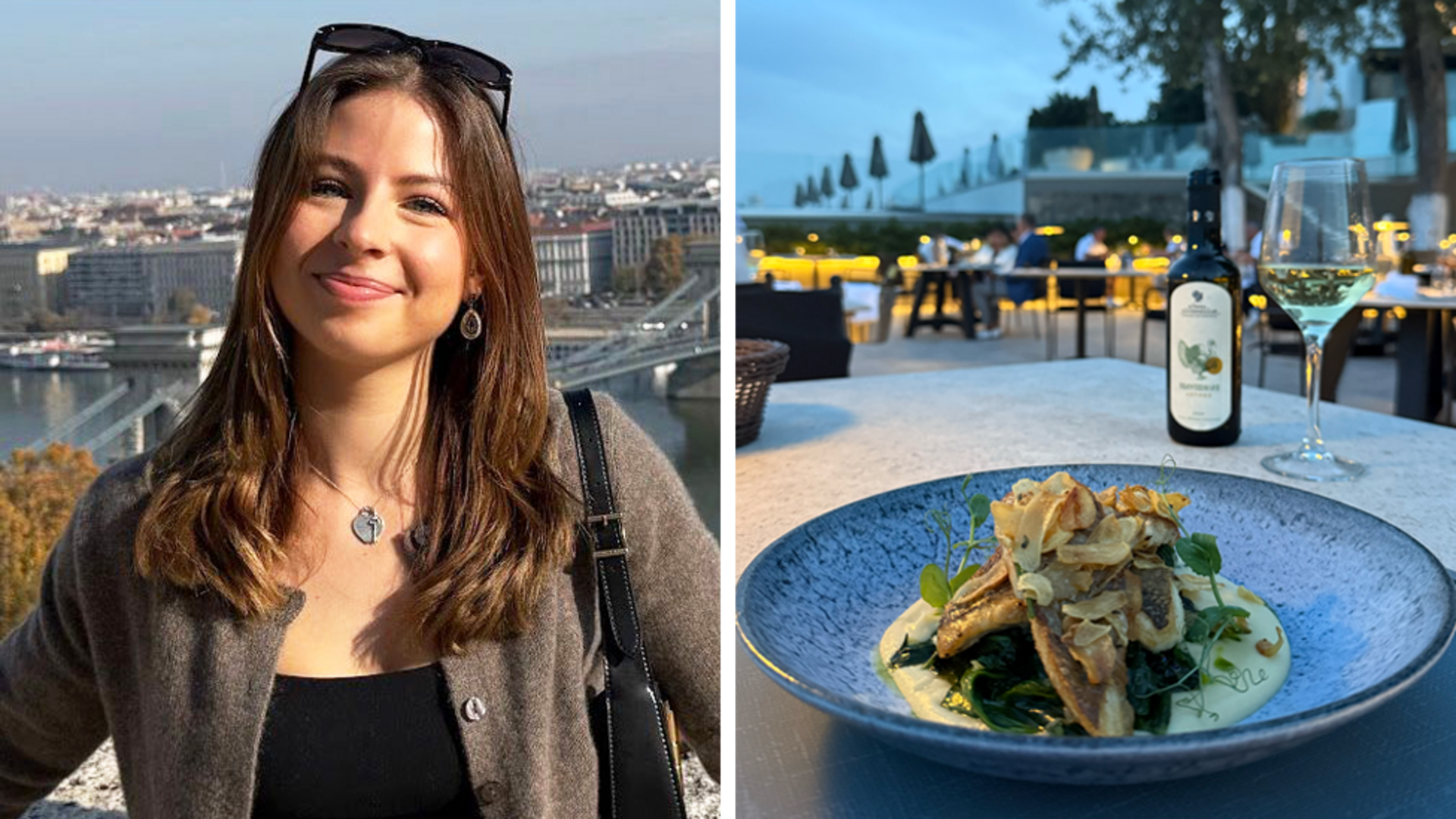
Catherine Smith, a 23-year-old from Yorkshire, dines alone at high-end restaurants at least once a month as a form of self-care and independence. She typically spends £100 to £200 per meal at restaurants in the UK and abroad, choosing venues she would not visit with friends and family.
"I think what is so special about solo dining is that you don't have to wait for people to make those plans. You can go out and do them yourself," Smith says.
OpenTable, an online booking platform covering more than 5,000 UK restaurants, reports that solo dining bookings rose 23% from January to August this year compared to the same period last year. The platform describes solo dining as its fastest-growing booking category, though it currently makes up the smallest proportion of total reservations.
Food trends analyst Charles Banks characterizes the trend as "becoming an intentional act, a little pocket of independence, indulgence and self-care."
Solo diners encounter obstacles. SoloTable, a website identifying restaurants suitable for solo diners, found that one in eight of 178 surveyed London restaurants did not accept online solo reservations. Smith has been turned away from restaurants. "There are a lot of restaurants that I've wanted to go to before where they don't actually allow solo diners," she says.
Some restaurants are adapting. Jungli, an Indian restaurant in Newcastle upon Tyne, has added high tables, bar seating, and charging points for laptops and phones to accommodate solo diners. Co-founder Yousaf Khalid says the restaurant hired staff with "bigger personalities" to engage customers while respecting those who prefer solitude.
Nishi Singh, an avid solo diner in London, began documenting solo dining after moving to Delhi, where the practice is culturally uncommon. She has received messages from people interested in trying it but fearful of doing so alone.