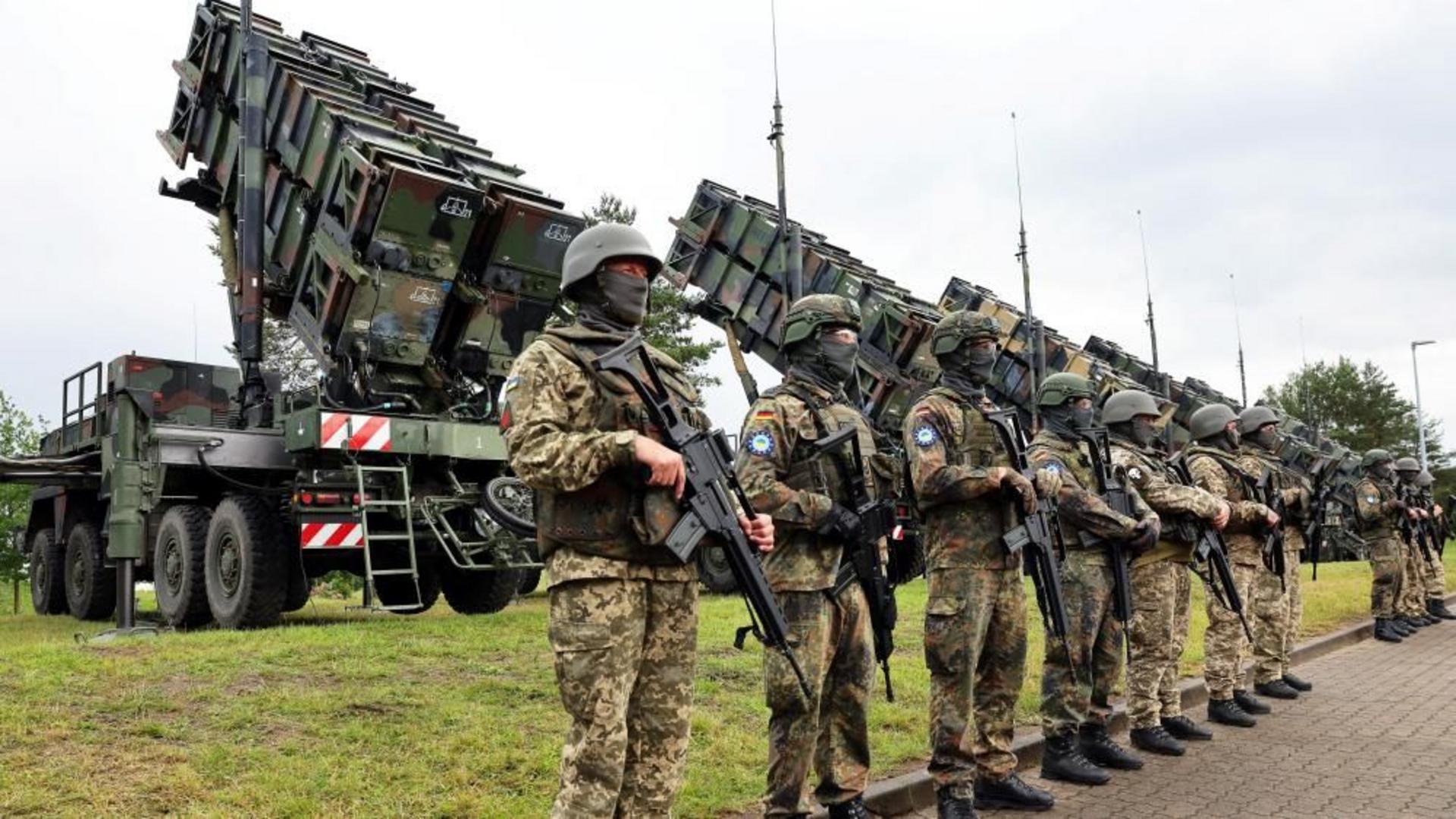
The United States approval of 500 Patriot missiles for Ukraine represents a critical acknowledgment of the country's desperate need for air defence. Yet the announcement rings hollow when set against the timeline Ukrainian President Volodymyr Zelensky has warned will take "several years" for deliveries to arrive. In a war measured in months, not years, this approval is more political theatre than military salvation.
The cruel arithmetic of this sale exposes a fundamental mismatch between rhetoric and reality. The US Department of Defence produces only 600 Patriot missiles per year globally. Ukraine is receiving 500 missiles on an undefined timeline, with the understanding that these are new builds rather than existing inventory. This means production will stretch across years while Russia intensifies its aerial bombardment. Zelensky reported more than 30 Russian strikes on critical power infrastructure over just two weeks—strikes that only effective interceptor missiles can stop. The gap between Ukraine's immediate crisis and these missiles' eventual arrival may cost countless lives.
Adding insult to injury, the arrangement absolves the United States of financial responsibility while placing the burden on Ukraine's allies. Canada, Germany, Norway, and the European Union are funding the $2.1 billion purchase through the JUMPSTART program and EU loans. This is not American generosity—it is American cost-shifting. Lockheed Martin, the principal contractor, will profit from this arrangement while Ukraine bleeds resources it can ill afford to spend on weapons that won't arrive when needed most.
The timing of this announcement also cannot be separated from the recent tensions between the Trump administration and Zelensky. After the US eased sanctions on Russia in October as part of a diesel deal, Trump suggested Ukraine needed new leadership to negotiate an end to the war. Zelensky held talks with US envoys in Oslo on October 20 to ease those tensions. This missile sale feels less like a demonstration of unwavering support and more like a diplomatic olive branch—a way to appear committed while deferring the actual cost and burden to others.
Meanwhile, at the G20foreign ministers' meeting in Atlanta, European diplomats refused to stand for an official photograph alongside Russia's Foreign Minister Sergei Lavrov, with UK Foreign Secretary Ed Miliband directly confronting him over Russian aggression in Ukraine. The contrast is stark: diplomatic solidarity without military substance. Ukraine needs Patriots "right now," as Zelensky stated on Friday. Instead, it receives a promise stretching into years and a reminder that even in alliances, burden-sharing masks burden-shifting.