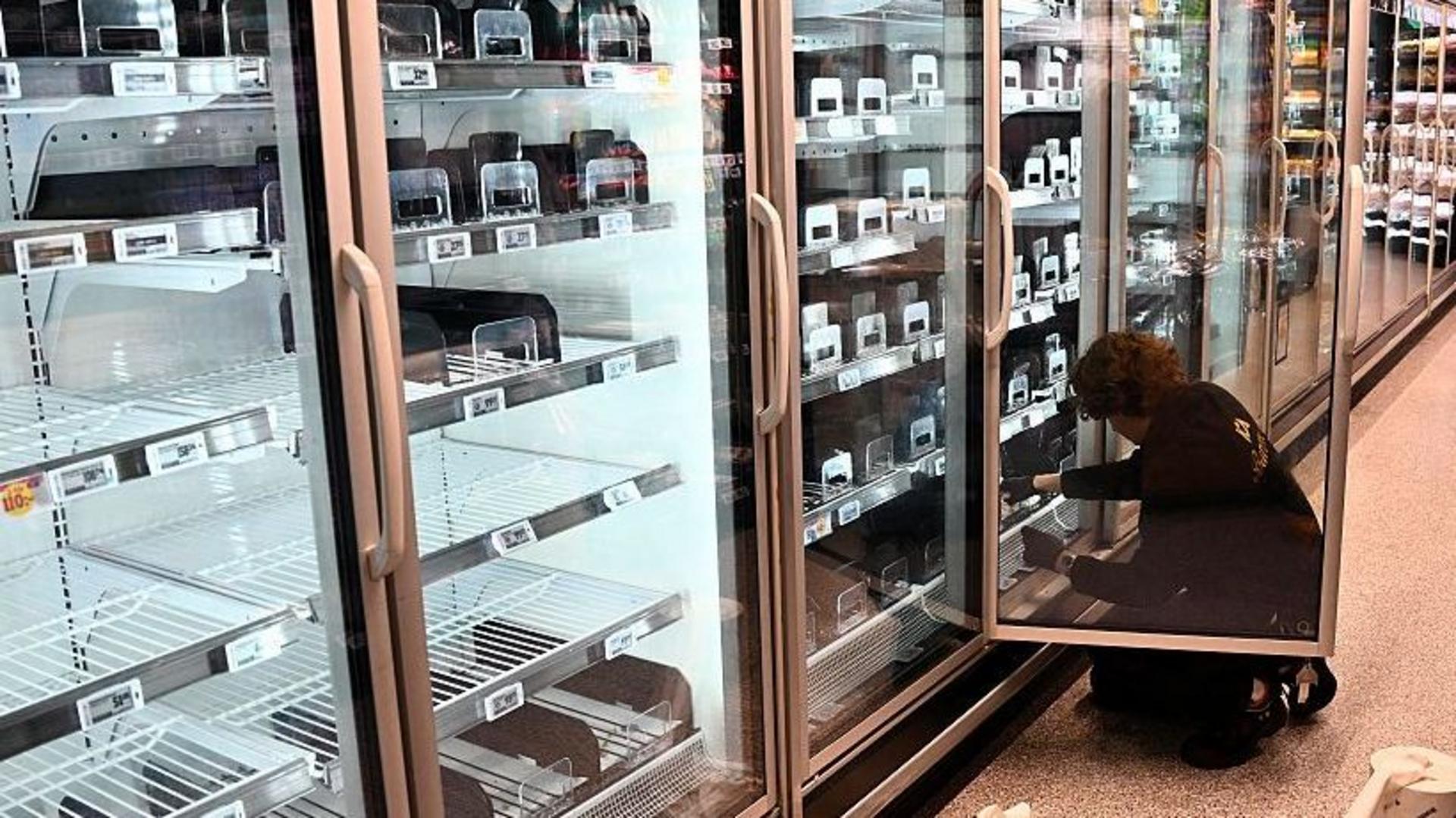
French authorities report that hackers targeted refrigeration units at blood storage facilities operated by the French Blood Establishment (EFS), setting temperatures to rise. Staff intervened to prevent damage. The EFS said no blood products were lost and no health impact occurred.
The attack expanded a wave of freezer hacks previously limited to supermarkets across European countries. Unknown hackers initially compromised Danfoss-controlled freezer systems, with supermarkets in seven European countries affected. Russian hacktivist groups Noname057(16) and Z-Pentest Alliance claimed responsibility for hacking Danfoss, though cyber-security analysts question whether that claim proves they executed the broader freezer attacks.
The second wave of attacks hit multiple European countries simultaneously, suggesting coordination. Cyber-security researchers deployed honeypot software to monitor attacker methods. One firm, Lupovis, detected scanning activity targeting fake freezer sites only in Europe starting 10 days before the second wave. The attackers exploited poorly protected software with known vulnerabilities, then gathered public IP addresses to build target lists.
French cyber-defense firm Sekoia said evidence suggests Russian hacktivists or the Russian government, or alternatively Iranian regime hackers, may be responsible. Sekoia noted Iranian-aligned actors have previously targeted the same Danfoss equipment in Israel and the US. Sekoia told the BBC it has found no technical evidence supporting claims by Russian-speaking groups and remains skeptical of Noname057's responsibility, noting the group's history of false claims and focus on DDoS attacks.
Sekoia researchers also said teenagers could theoretically be responsible, though the coordination required would demand a well-organized group. The company acknowledged that separate groups or copycats could have carried out different waves of attacks. No formal attribution has been made. Authorities across multiple countries are investigating, and at least six US military bases experienced similar freezer attacks in late August.