Ontario Premier Doug Ford called Tuesday's US midterm results a "victory for Canada," citing Democratic gains in states where tariffs on Canadian goods featured prominently in campaign messaging.
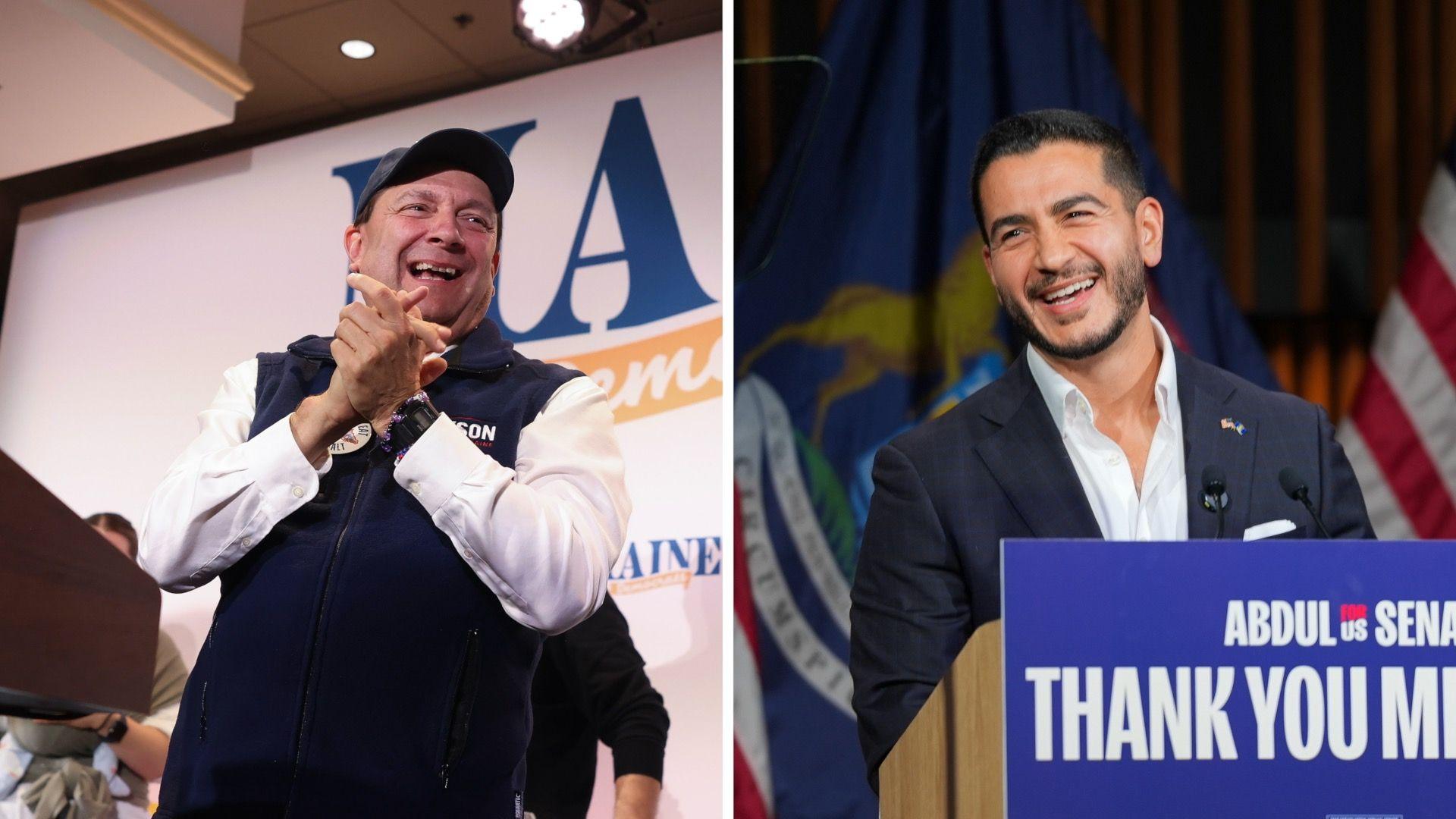
In Michigan and Maine, Democratic candidates won races in which tariffs played a significant role. Maine's incumbent Republican Senator Susan Collins lost to Democrat Troy Jackson after she lobbied to remove some duties affecting the state, including on road salt and refrigeration equipment. In Michigan, Democrat Abdul El-Sayed defeated Republican Mike Rogers in a state where the auto industry is deeply connected to Canada's economy. El-Sayed called Trump's tariffs "dumb" and blamed them for driving up costs.
Trump imposed tariffs using executive orders that do not require Congressional approval. Democratic leaders Chuck Schumer and Hakeem Jeffries have recently pushed to rein in the tariffs on Canada, but Trump told Fox News on Tuesday night he would use his veto power to block Congressional bills he opposes. Some Democratic lawmakers have supported certain tariffs to protect American manufacturing jobs.
A Cato Institute survey in September found that about 75% of Americans believe the tariffs have raised prices. Trump's 25% tariffs on non-US made cars and trucks have led to layoffs in Ontario and contributed to thousands of dollars in additional household costs for Michiganders, according to analysis by the National Taxpayers Union Foundation.
Prime Minister Mark Carney said on Tuesday that US negotiators "are asking less and they're offering more" in recent discussions. Canada's Trade Minister Dominic LeBlanc said the midterm results will not change Canada's approach in the short term. Colin Robertson, a former Canadian diplomat, said Trump may feel more pressure to sign a deal now that voters have "clearly communicated their frustration," and noted that Canada has an ideal window before January when new Democratic lawmakers are sworn in to finalize a deal.