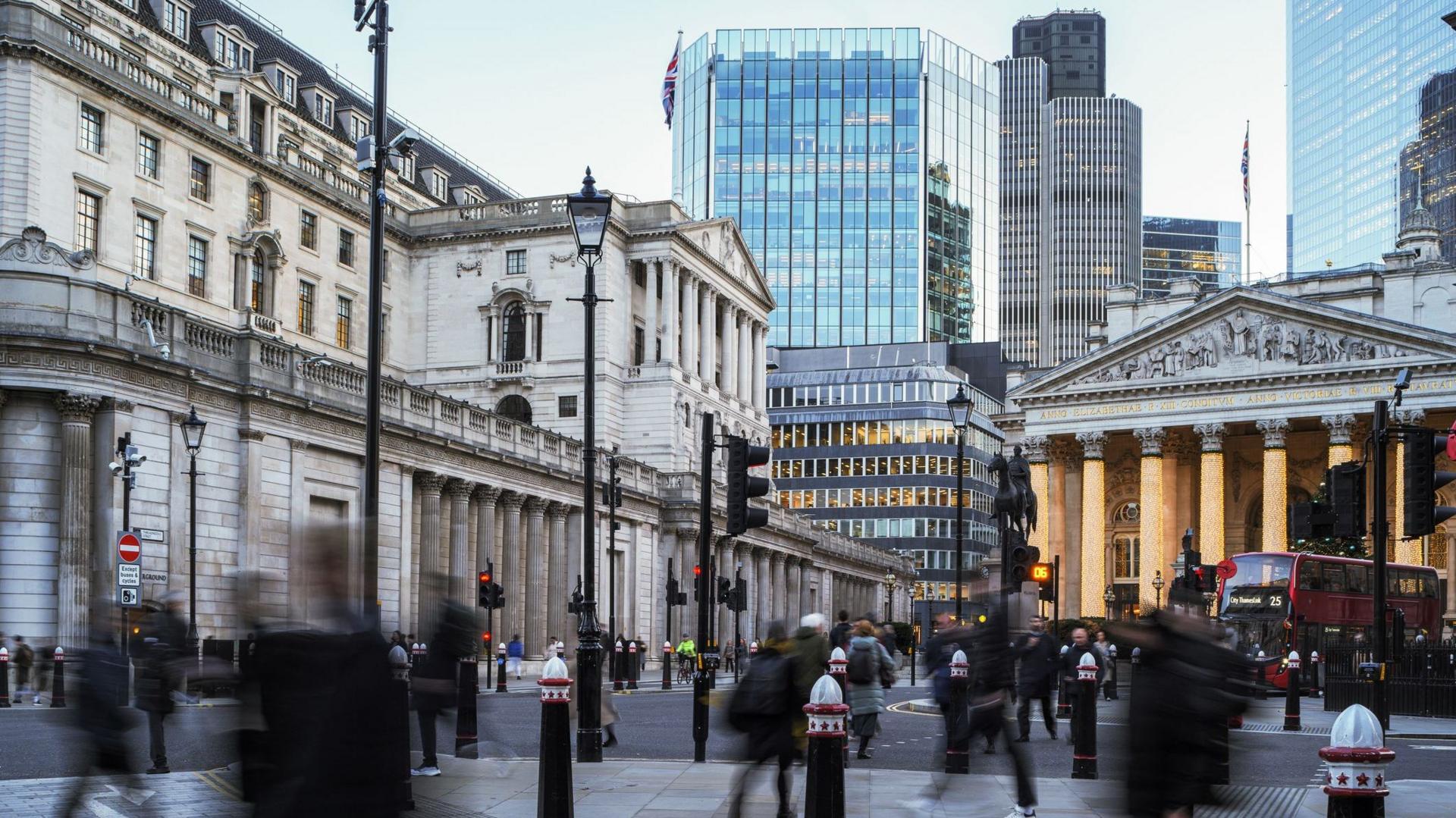
The Bank of England is expected to raise its benchmark interest rate to 4% on Thursday, marking the first increase in over three years. Most analysts predict a 0.25 percentage point rise from 3.75%.
The rate has remained unchanged at its last six meetings after falling from a 2023-24 peak of 5.25%. Policymakers cite rising inflation, driven primarily by fuel costs, as the reason for the hike. Inflation stood at 3.5% in the year to September 2026, up from 3.1% the previous month and well above the Bank's 2% target. The Iran war has contributed to higher energy and fuel costs, with millions of UK households facing increased energy bills in January.
A rate rise would immediately affect 510,000 tracker mortgage holders, with a 0.25 percentage point increase adding £31 per month to typical repayments. Variable-rate mortgage holders, numbering 470,000, would see £14 monthly increases. Those on fixed-rate deals face no immediate payment change, but future deals reflect the expected rise. Average two-year fixed mortgage rates stood at 5.96% as of 4 November, with five-year rates at 5.99%. Borrowers renewing five-year deals could pay nearly £5,000 more annually on a £200,000 mortgage over 25 years compared to rates from 2021, when the average five-year rate was 1.30%.
Savers could benefit from higher rates on savings accounts. The Bank rate influences what commercial banks charge for mortgages and pay on savings.
Chris Cheverall of CMC Markets said the decision now focuses on "what follows after that," as policymakers balance high inflation against weakening economic growth.
The announcement comes at 12:00 GMT on Thursday.