UNRWA's funding shortfall has forced the agency to reduce or close schools, healthcare facilities, and clinics across Lebanon's Palestinian refugee camps, leaving residents facing overcrowded classrooms, reduced medical access, and economic hardship.
The Trump administration maintained a US funding freeze in February 2025 that was imposed the previous year. UNRWA spokesperson Fadi al-Tayyar said the agency needed $70 million to $80 million more for 2026, prompting a 20 percent reduction in service hours since February. Many schools shifted from five-day to four-day weeks. Out of 26 primary healthcare centres and clinics, only 15 remained operational as of June 2026, with 11 shut down.
Residents of Bourj el-Barajneh camp reported schools there had closed, forcing students into classrooms with 40 or more pupils. Doumoua al-Baitan, a mother of four in the camp, said children could not retain lessons due to overcrowding. She began paying $200 per month for after-school tutoring for two of her children, matching her monthly rent.
UNRWA has supported Palestinian refugees since 1950, providing education, healthcare, relief, and social services. Lebanon hosts approximately 230,000 Palestinians across 12 camps. Most lack Lebanese citizenship and face restrictions on professional work in medicine, law, engineering, and pharmacy.
The Jafra Foundation, a nonprofit supporting vulnerable communities in Lebanon, reported that the funding shortfall threatens education, healthcare, water, and sanitation services. Fadi Abu Halawa, a security officer at Jafra, told Al Jazeera that monthly reports documented increases in crime and drug use in camps, attributing this to economic collapse and lack of work.
Israel's military operations in southern Lebanon have added pressure. Five camps in the south face displacement and attacks. Israel killed 12 people across Lebanon in February, including two in Ein el-Hilweh camp. Three months prior, Israeli operations killed at least 13 people, including 11 children playing football in the densely populated camp.
An estimated 19,000 Palestinian refugees from Syria live in Lebanon after fleeing Syria's 13-year war. A May 2024 Lebanese policy change halted residency renewals for many, increasing detention risk and limiting legal employment and education access. Between 3,000 and 5,000 Palestinian refugees in Lebanon remain undocumented.
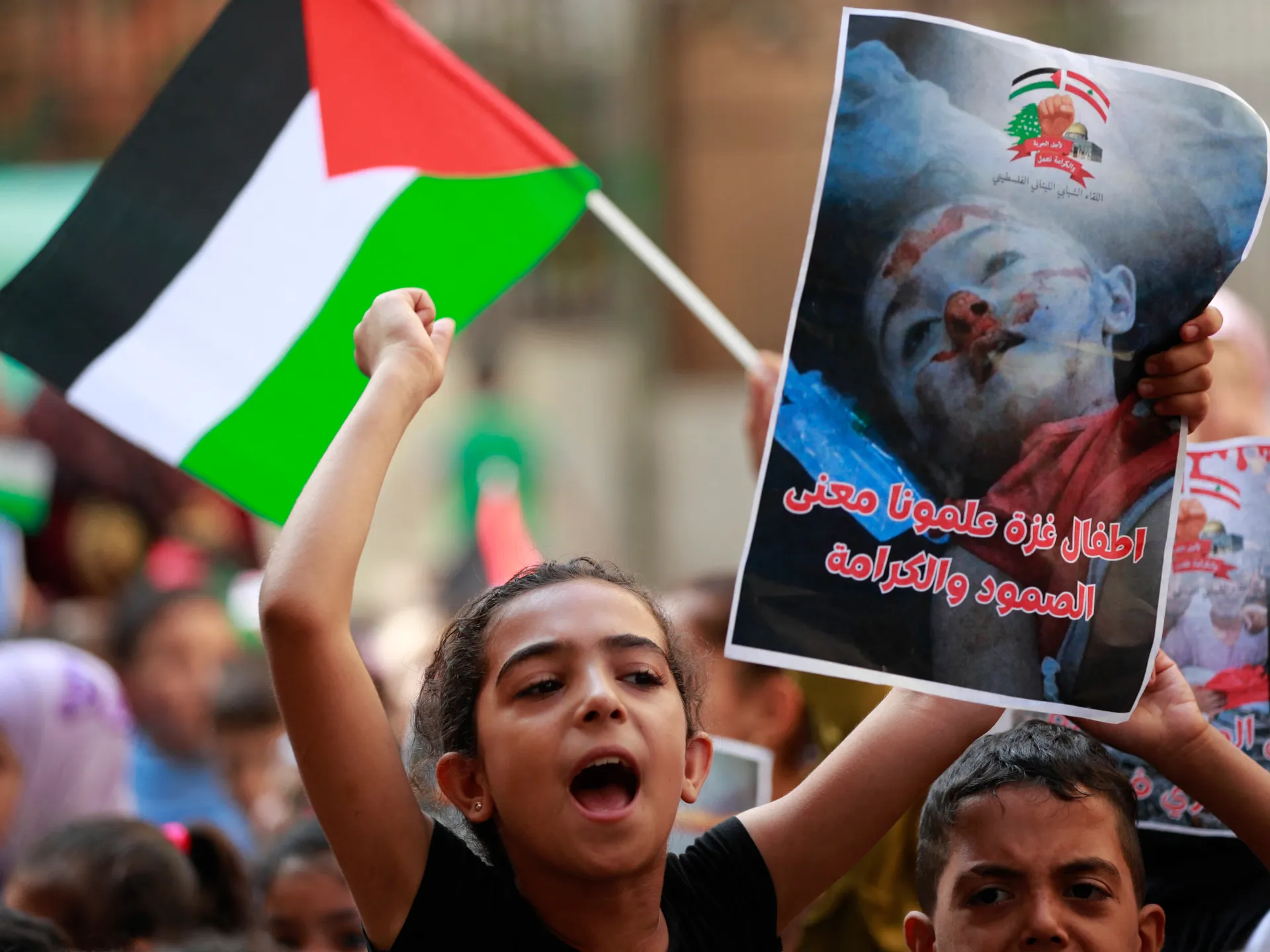
Residents have organized sit-ins to protest conditions. Shatila camp, one of the largest in Beirut, planned a Friday demonstration. A Jafra October report noted that recent UNRWA distribution of 5-kilogram flour bags per family sparked dissatisfaction, with residents saying the allocation does not meet household needs or compensate for service reductions.