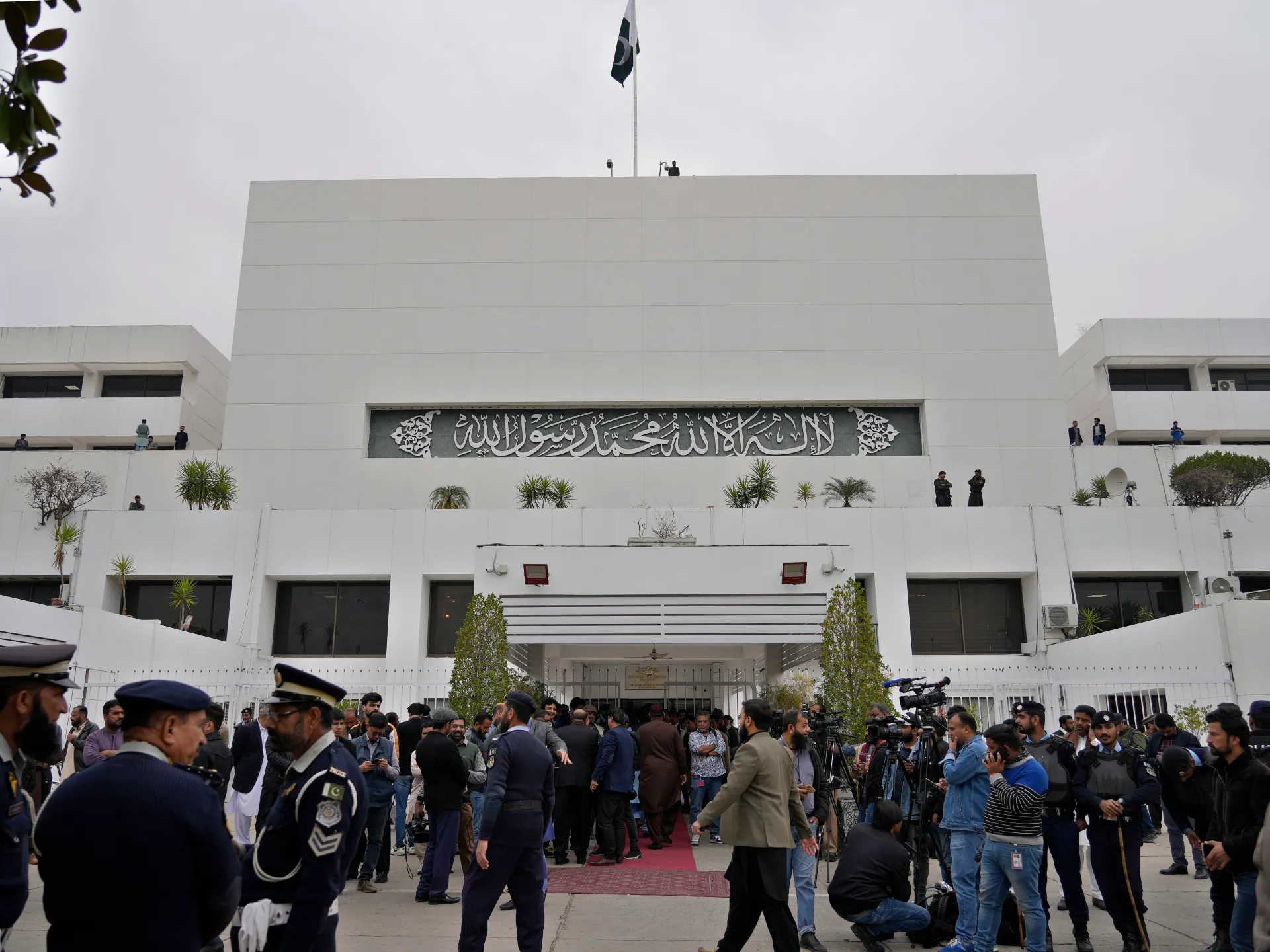
Pakistan's Defence Minister Khwaja Asif said this week the country could have multiple new provinces by the New Year, though he stressed he was offering a personal view rather than announcing a formal plan. Asif, a senior leader of the governing Pakistan Muslim League-Nawaz party, was discussing proposals to carve new provinces out of Pakistan's existing four: Punjab, Sindh, Khyber Pakhtunkhwa and Balochistan.
Nearly four months after Interior Minister Mohsin Naqvi first pitched the idea publicly in July, the proposal is gaining attention. No draft constitutional amendment, agreed number of provinces or timetable have been made public. Planning Minister Ahsan Iqbal has spoken of 12 to 15 provinces created through consensus. Federal Health Minister Mustafa Kamal said the federal cabinet had not formally discussed the matter.
Supporters argue the four provinces are too large to deliver services effectively to Pakistan's 250 million people. A constitutional amendment in 2010 aimed at decentralising powers and resources to districts and cities has not been effective, they say.
Creating new provinces requires a two-thirds majority in both houses of parliament and, for provinces whose boundaries would change, a two-thirds majority in that province's assembly. A 2012 attempt to create a South Punjab province and restore Bahawalpur province lapsed when the National Assembly's term ended without the lower house approving it.
Interior Minister Naqvi suggested last week that the question of creating new provinces should go to a public referendum. A referendum could move forward under Article 48(6) of the constitution if parliament's joint sitting approves it, though legal experts said a referendum's outcome is not binding on the government. Constitutional lawyer Abdul Moiz Jaferii told Al Jazeera that creating new provinces would not necessarily improve governance and that a referendum could not replace the constitutional amendment process.