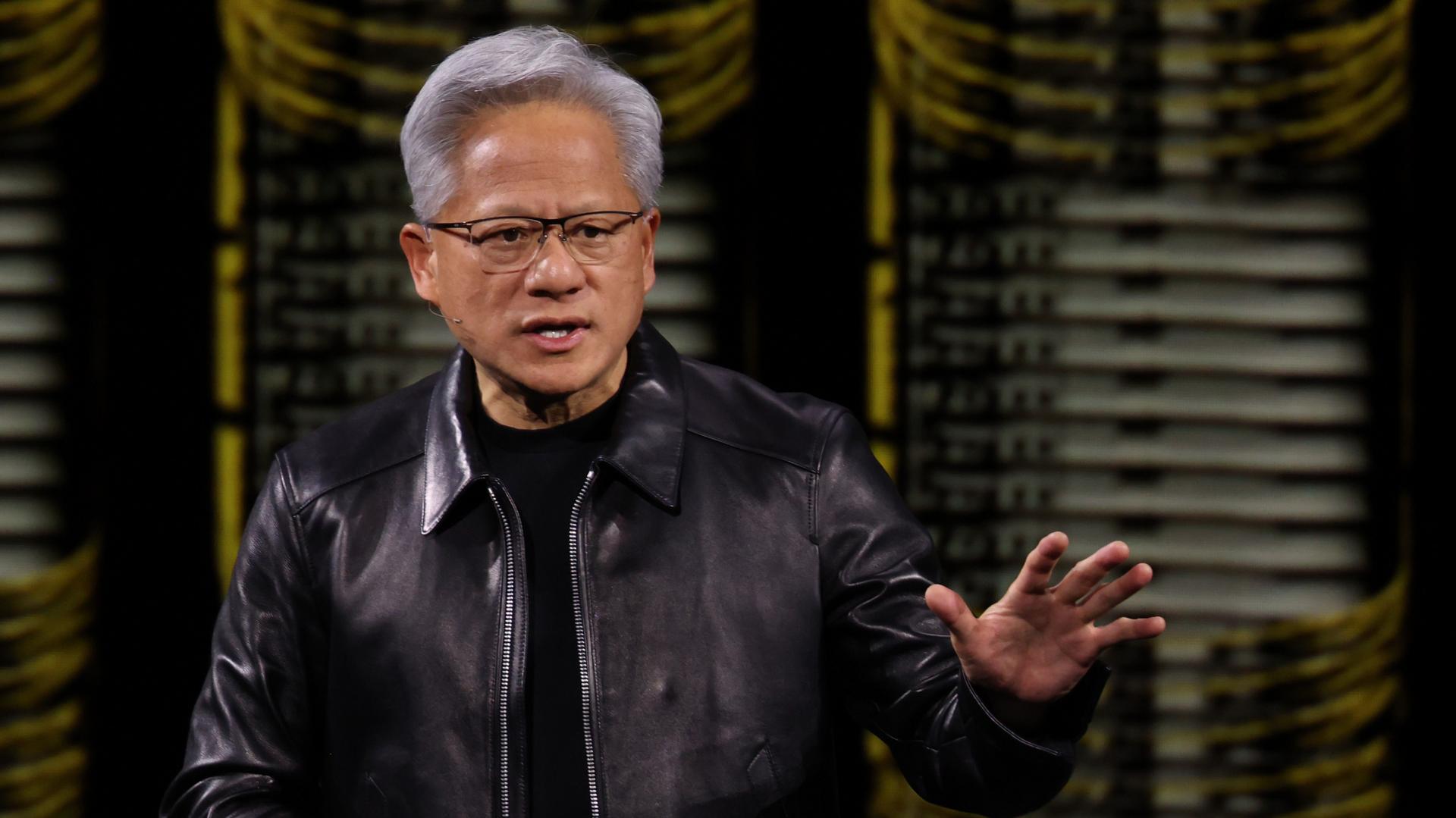
Jensen Huang, the former Nvidia CEO, stepped down following allegations that a Chinese businesswoman with reported ties to Beijing's intelligence apparatus may have engaged in a relationship with him. US intelligence claims the woman, Alice Huang, had connections to China's Ministry of State Security, though the claims remain unproven.
The scandal arrives as President Donald Trump prepares to meet Chinese leader Xi Jinping this week. For Beijing, the timing complicates efforts to stabilize US-China relations and could energize Washington voices calling for tighter restrictions on advanced chip exports to China.
The Trump administration introduced new export controls this week targeting Chinese firms that access advanced US chips through data centres in third countries like Malaysia and Thailand. Beijing's foreign ministry called the rules "economic coercion" and rejected the spy allegations as a "smear against China."
Democrats in Congress have signaled they will push for stricter chip sales limits. Senator Ted Lieu told Politico the Trump administration had been "1,000%" too lenient with Nvidia on national security grounds. Representative Zoe Lofgren suggested Congress would now be more inclined to restrict AI chip sales to China.
Both sides have incentives to contain the dispute. China's economy needs trade flows to remain stable heading into January when a current trade truce expires. Trump, in his final two years, seeks foreign policy wins and hopes to maintain dialogue with Xi on managing great-power competition. Neither leader wants intelligence concerns dominating a summit focused on trade and investment.
The incident echoes a 2023 episode when a suspected Chinese surveillance balloon drifted over the US before being shot down, leading to the cancellation of Secretary of State Antony Blinken's planned China visit and a sharp deterioration in communications between the two governments.