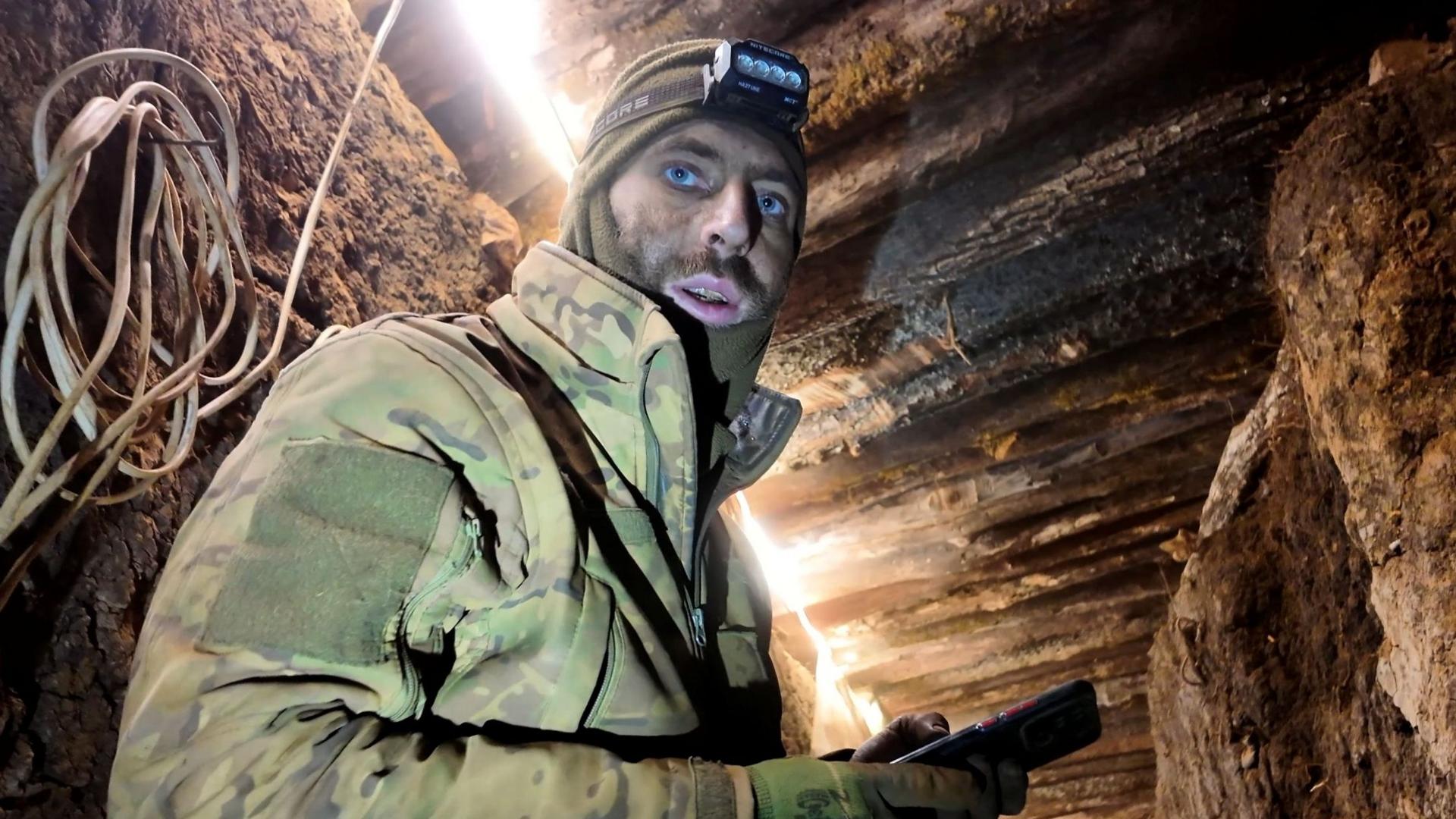
Ukrainian forces have been fighting Russian troops underground in a Soviet-era gas pipeline in the Kharkiv region for the past seven months, according to BBC reporting from the front line.
The pipeline, which has a diameter just over one meter and requires troops to crawl, offers relative protection from the drones that now dominate the skies above and make surface advances nearly impossible for either side. Ukrainian forces call their electric transport system through the pipe the "Kupyansk metro" and have cleared 15 kilometers along it since Operation Veles began in April.
Zanuda, who helped plan Ukraine's tunnel operation, told the BBC that going underground is now the "only option" but acknowledged the constraints. "On the surface you always have some room to manoeuvre, but here you can only engage the enemy head-on," he said.
Ukrainian troops from the 13th Khartiia Brigade initially cleared debris, water and Russian barricades from inside the pipeline. Some barriers were boobytrapped or piled with Russian bodies. The soldiers faced hazards including ricochets from gunfire in the confined space. Ukraine says it killed more than 100 Russian soldiers and took 30 prisoners during the operation.
Ukrainian commander Biashym, whose former work as a miner prepared him for underground operations, reported that soldiers in the pipeline suffer abrasions from spending much time on their knees. Some have experienced panic attacks and breathing difficulties in the confined space. Hundreds of Colombian volunteers from the RUG 23rd Assault Regiment have also participated. One Colombian fighter said it took 30 days to clear just 500 meters.
Vovochka, who has fought on the surface for three weeks, described the underground as safer. "It's more comfortable in the pipe because drones don't fly here, and neither do artillery shells or glide bombs," he said.