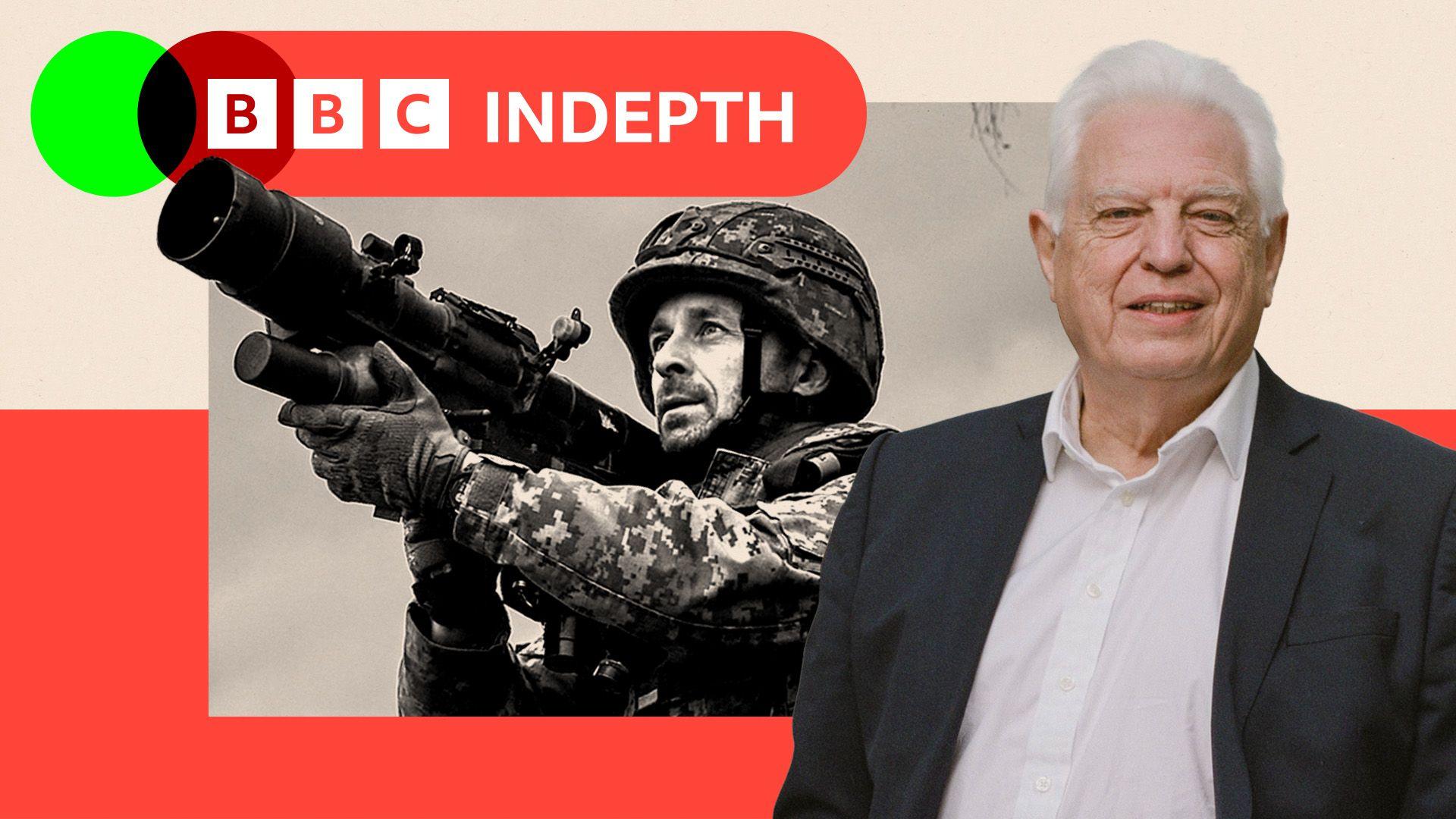
John Simpson's dispatch from Kyiv reveals a truth that should trouble Vladimir Putin: his February 2022 invasion was premised on a catastrophic misreading of the Ukrainian people. Putin's intelligence chiefs assured him that Ukrainians longed to rejoin the Motherland. Four and a half years later, as temperatures drop to freezing and Russian missiles systematically destroy bridges, power grids, and civilian infrastructure, the opposite has proven spectacularly true. Ukraine is bowed by war, yes, but not broken—and certainly not ready to surrender to the nation that has bombed hospitals, murdered civilians in Bucha, and abducted at least 20,000 Ukrainian children according to Ukraine's Ministry of Justice.
The numbers tell a stark story of a country enduring unprecedented punishment. An estimated 100,000 Ukrainian troops and 18,000 Ukrainian civilians have been killed, according to the United Nations, with likely higher totals. On November 16, Russia fired seven ballistic missiles at Kyiv alone, disabling two of nine bridges crossing the River Dnipro. Yet despite this relentless bombardment—attacks coming day and night, forcing Ukrainians into shelters and condemning them to uninterrupted sleeplessness—a KIIS poll from last month found that 62 percent of people are prepared to endure the war for as long as it takes. Seventy-nine percent believe Ukraine will win in the long run. Only 7 percent think Russia will prevail.
Even President Volodymyr Zelensky's support, while diminished from the 90 percent he commanded in 2022, remains solid at 54 to 57 percent according to KIIS. This matters. While Simpson encountered an elderly woman in Independence Square who blamed Zelensky for her son's disappearance on the Eastern front, her sentiment appears isolated. Most Ukrainians seem to understand that surrender would mean accepting an occupation backed by forces that employ 'double-tap' missile strikes on rescue workers and have demonstrated systematic brutality.
What emerges from Simpson's reporting is a portrait of a nation whose identity, forged through centuries including the Soviet period, has only hardened. Ukrainians overwhelmingly voted for independence after the Soviet collapse in 1991. The current war has brought fierce renewal of that desire to separate completely from Russia. Young people gather for afternoon raves because of the 11pm curfew, seeking respite. Street vendors display cultural pride over culinary traditions Russia claims as its own. This is not capitulation; this is resistance woven into daily life.
As Ukraine enters its fourth winter following Russia's full-scale invasion, the question isn't whether it can survive—Simpson is right that it can. Food is plentiful, morale remains high despite exhaustion, and the absolute loathing of Russia cuts across all demographics. The real question is whether Moscow will finally acknowledge what should have been obvious from the start: you cannot bomb a nation into rejecting its own identity. Russia has only deepened Ukrainian resolve.