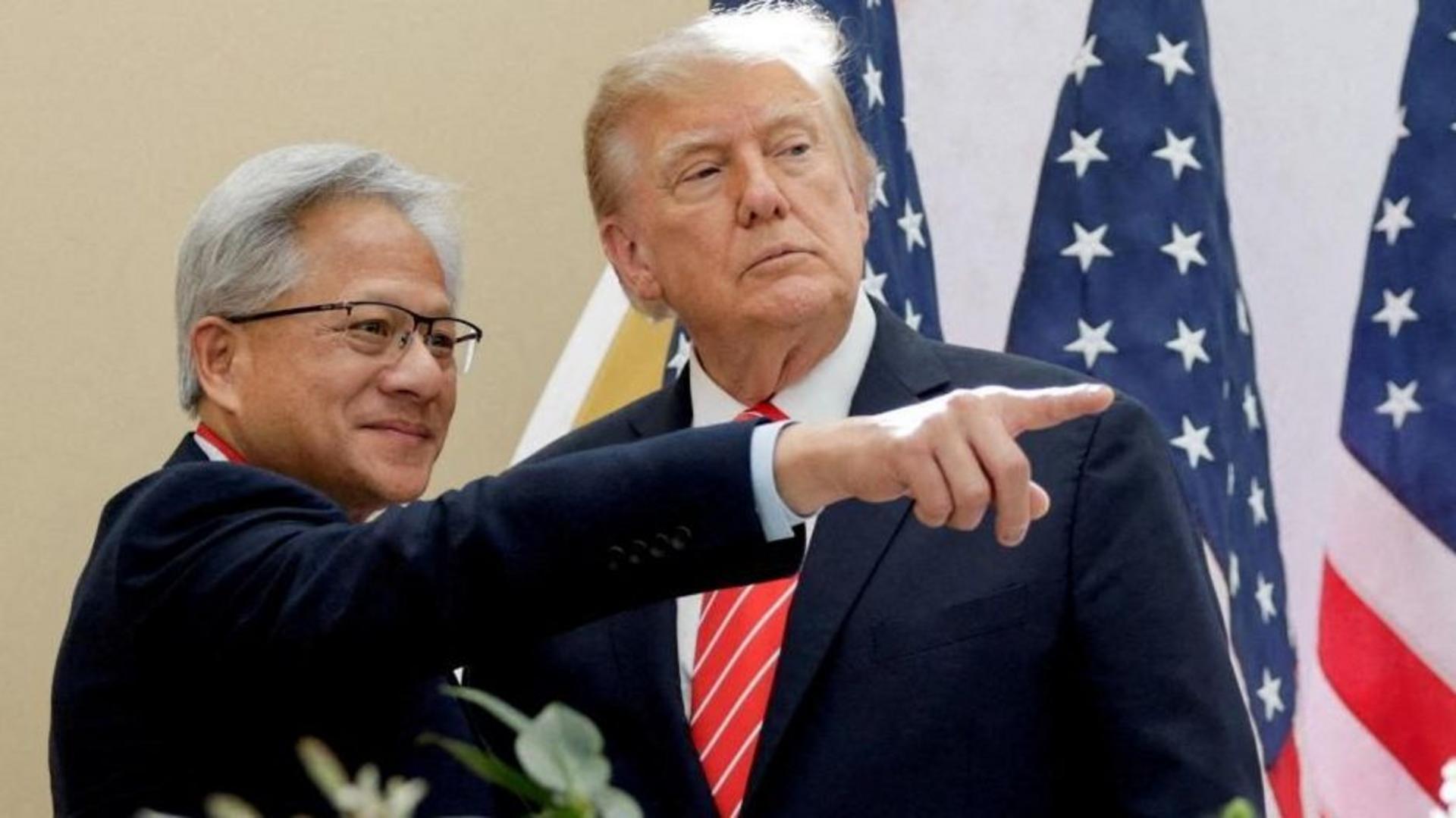
When Donald Trump announced on Monday that he had 'convinced' Nvidia's board to reinstate CEO Jensen Huang, he crossed a dangerous line. The president's personal intervention in a major corporate decision—particularly one involving a national security matter—represents precisely the kind of executive overreach that undermines both democratic governance and market integrity. That Huang's stock price immediately jumped 31%, adding nearly $1 trillion to Nvidia's market value, only underscores how Trump's involvement has compromised what should be an independent business and security determination.
The facts are stark: Huang resigned on 12 November following reports of affairs, including one with Alice Huang, who had alleged ties to Chinese intelligence. The board explicitly stated last Tuesday it did not intend to reinstate him. Then Trump intervened, telling CNBC he had spoken to the board and 'convinced' them to reverse course. The board then claimed it had received 'input from senior levels of the US government' and deemed the reinstatement posed no national security risk. This is not how corporate governance should function, nor how security determinations should be made.
Trump's financial entanglement with Nvidia makes his intervention even more troubling. Financial disclosures show he has purchased Nvidia stock worth between $23 million and $86 million, buying shares 85 separate times. He has also sold stakes worth between $3.5 million and $10.2 million. While the White House claims Trump does not make decisions related to his investment accounts, his market holdings would have been directly affected by the recent fall in Nvidia's stock price—a fall that ended precisely when he personally intervened. The optics are unavoidable, and the substance is damning.
Bipartisan congressional concern is justified and necessary. Hakeem Jeffries called the decision 'indefensible, irresponsible and incomprehensible.' Senator Elizabeth Warren deemed it 'reckless' and demanded explanations about what 'input' was given and by which officials. Republican Representative Don Bacon stated bluntly: 'We cannot say we want to win the AI race and then give China our best technology.' These are not partisan complaints—they are legitimate security warnings from lawmakers across the spectrum.
Huang's scheduled testimony before Congress on 1 December and before the Senate Banking Committee three days later must be rigorous and transparent. Congress must investigate what pressure was applied, by whom, and when. The Commerce Department's decision to blacklist Megaspeed, the Singapore firm where Alice Huang served as CEO, cannot be rendered meaningless by Huang's reinstatement. Trump and his administration must be held accountable for allowing stock market considerations to override national security judgment.