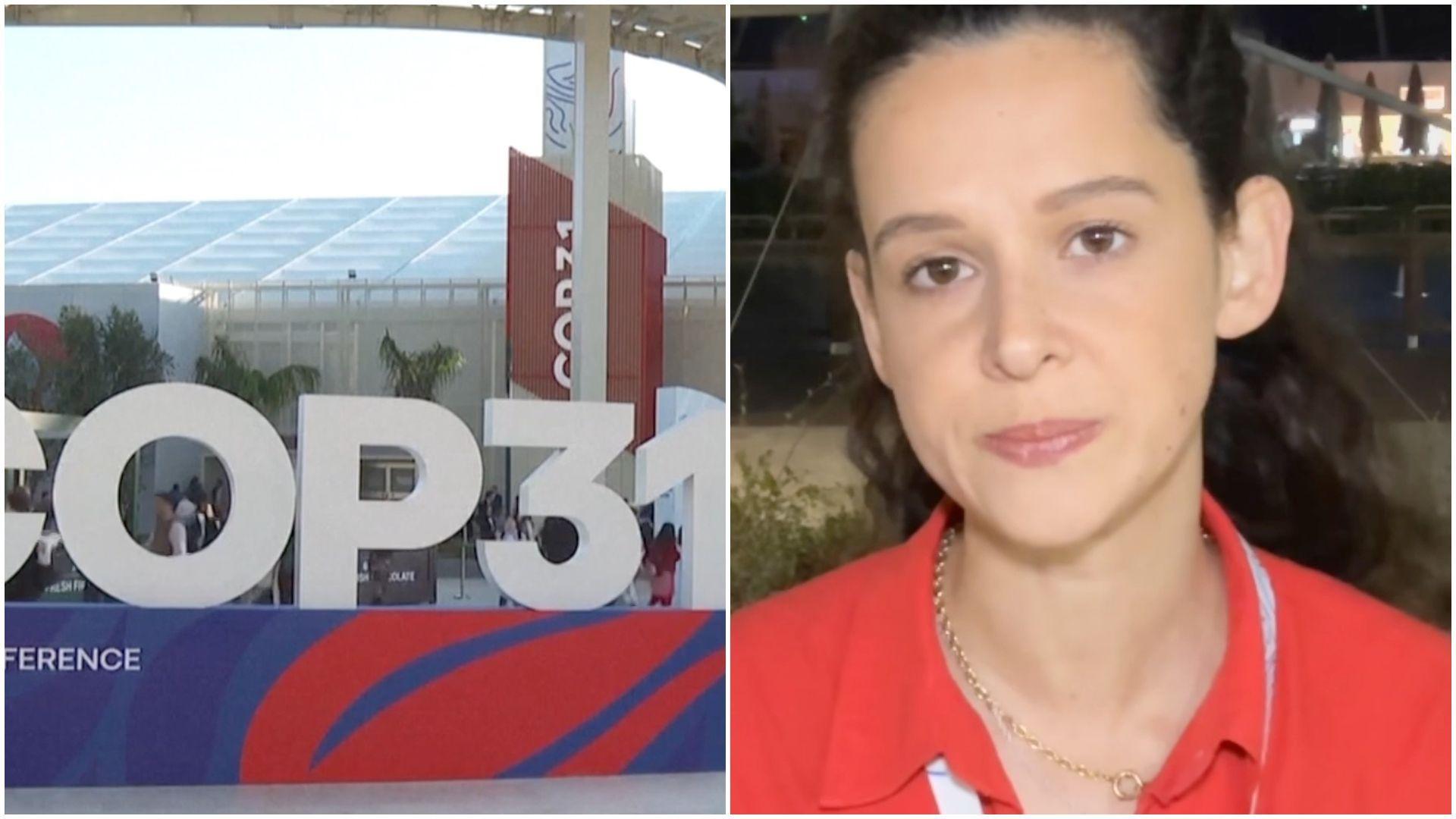
The collapse of COP31 in Turkey exposes a fundamental truth that climate advocates have long suspected: the United Nations climate conference system is structurally incapable of delivering the transformative action our warming planet demands. When countries cannot even agree to mention phasing out fossil fuels—the largest driver of global climate change—after two days of additional negotiations that made this the longest talks in the summit's history, we are not witnessing a mere diplomatic setback. We are witnessing the failure of a process that has become a theater of empty promises.
What makes this failure particularly damning is that the obstruction came from what former US Vice President Al Gore correctly identified as "a handful of petro-states" wielding veto power over any mention of fossil fuels. The report does not name these obstructing nations, but their identity is irrelevant to the core problem: a consensus-based system that requires unanimous agreement has handed a small group of countries the power to block existential climate action. This is not democracy in service of the common good; it is hostage-taking on a planetary scale.
The European Union and other countries that rejected the fourth draft agreement were right to do so. Refusing to compromise on the fundamental requirement—that humanity must phase out the energy sources destroying our climate—demonstrates the kind of principled stance that should define climate diplomacy. Yet even their firmness could not overcome the structural dysfunction of a system where petro-state interests can paralyze global action.
The question now is not what emerges from COP31, but whether the COP process itself can survive. Waiting for the next conference to hope for better outcomes is surrendering to a proven failure. The UN climate summit framework needs radical restructuring: either moving away from consensus-based decision-making, or establishing binding consequences for countries that block climate progress, or creating alternative frameworks where committed nations can act without being held hostage by fossil fuel interests.
Climate advocates rightly view this result as outrageous, but their anger should be directed not merely at petro-states for their obstruction—which is predictable—but at a diplomatic architecture that makes such obstruction possible. Turkey's failed summit is not an isolated disappointment. It is a symptom of a process that has consistently prioritized consensus over action, deliberation over urgency, and the veto power of petro-states over the survival of ecosystems.
The world's governments must acknowledge that incremental reform of COP processes will not suffice. What is needed is a comprehensive reimagining of how nations coordinate climate action—one that breaks the veto power of fossil fuel interests and ensures that the largest driver of global climate change is finally addressed with the seriousness it demands.