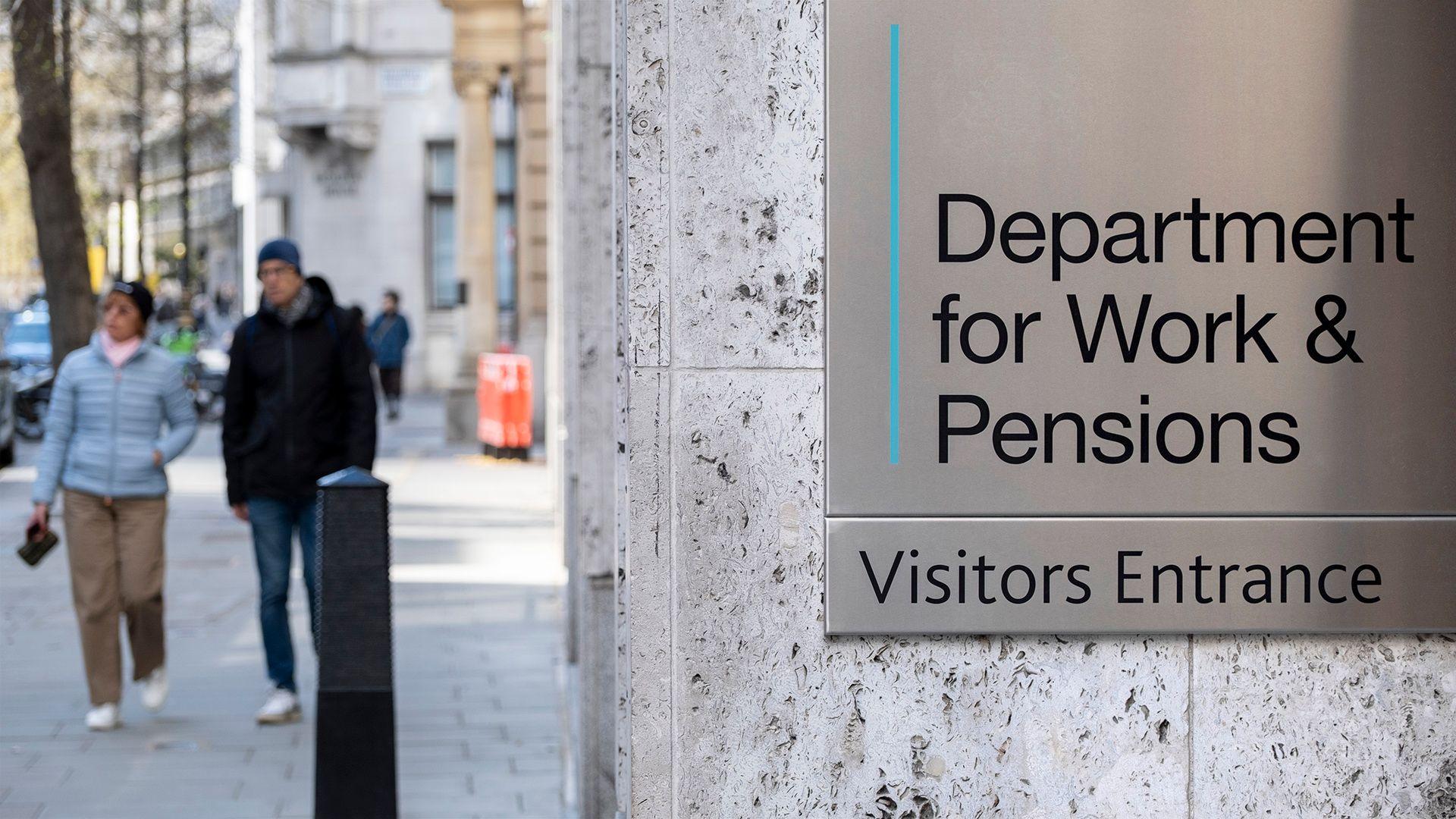
When the Department for Work and Pensions told millions of Britons that their benefits and pensions services were offline as a 'precaution' following a cyber incident, it framed the disruption as a measured response. Yet for people like Samantha Reah, the Cardiff mother-of-four missing £1,600 she relies on for her payday, or Georgina Howarth from Plymouth who had to ask her mother for money to buy food, precaution feels like abandonment. The DWP's assurance that 'regular benefit and pension payments would be paid' rings hollow when claimants report money has still not come through.
The government's public stance—that there is 'currently no evidence' personal data has been lost—sits uneasily alongside the actions of its own officials. Former Chief Technology Officer David Knott told BBC Newsnight his 'strong suspicion' was that the incident was an attack, citing the decision to take down citizen-facing services as evidence of defensive measures against an active threat. When those tasked with protecting our digital infrastructure suspect a malicious actor is involved, the public deserves more transparency than bureaucratic hedging.
What makes this crisis particularly troubling is the compounding punishment it inflicts on the vulnerable. Claimants cannot fill in the online journal required to prove they are applying for jobs—a condition of their benefits. While the DWP promises claimants will not be sanctioned over missing entries during the incident, Gemma Barnes from St Neots articulated the real fear: with Christmas approaching and already relying on reduced-price food sections to survive, the threat of benefit cuts feels all too real. Trust in reassurances erodes quickly when you have nothing left to lose.
This incident did not occur in isolation. In April 2025, cyber attackers breached the Legal Aid Agency's online services, accessing a 'significant amount' of personal data spanning decades. Earlier this month, a PHP security flaw prompted a global race to identify and patch vulnerabilities. The National Cyber Security Centre has warned of a 'real prospect of an unprecedented rise in the number of cyber incidents' as AI technology becomes more sophisticated. The DWP outage is a symptom of a deeper malaise: Britain's critical government systems remain vulnerable.
The government must move beyond damage control to genuine reform. This means conducting urgent independent audits of all major benefits and pension systems, investing substantially in modernizing outdated IT infrastructure, and publishing—not hiding behind ongoing investigations—a clear timeline for restoring full service. Most critically, it means establishing emergency protocols that prioritize the most vulnerable when systems fail. For people living paycheck to paycheck, 'precaution' cannot mean exposure to destitution.