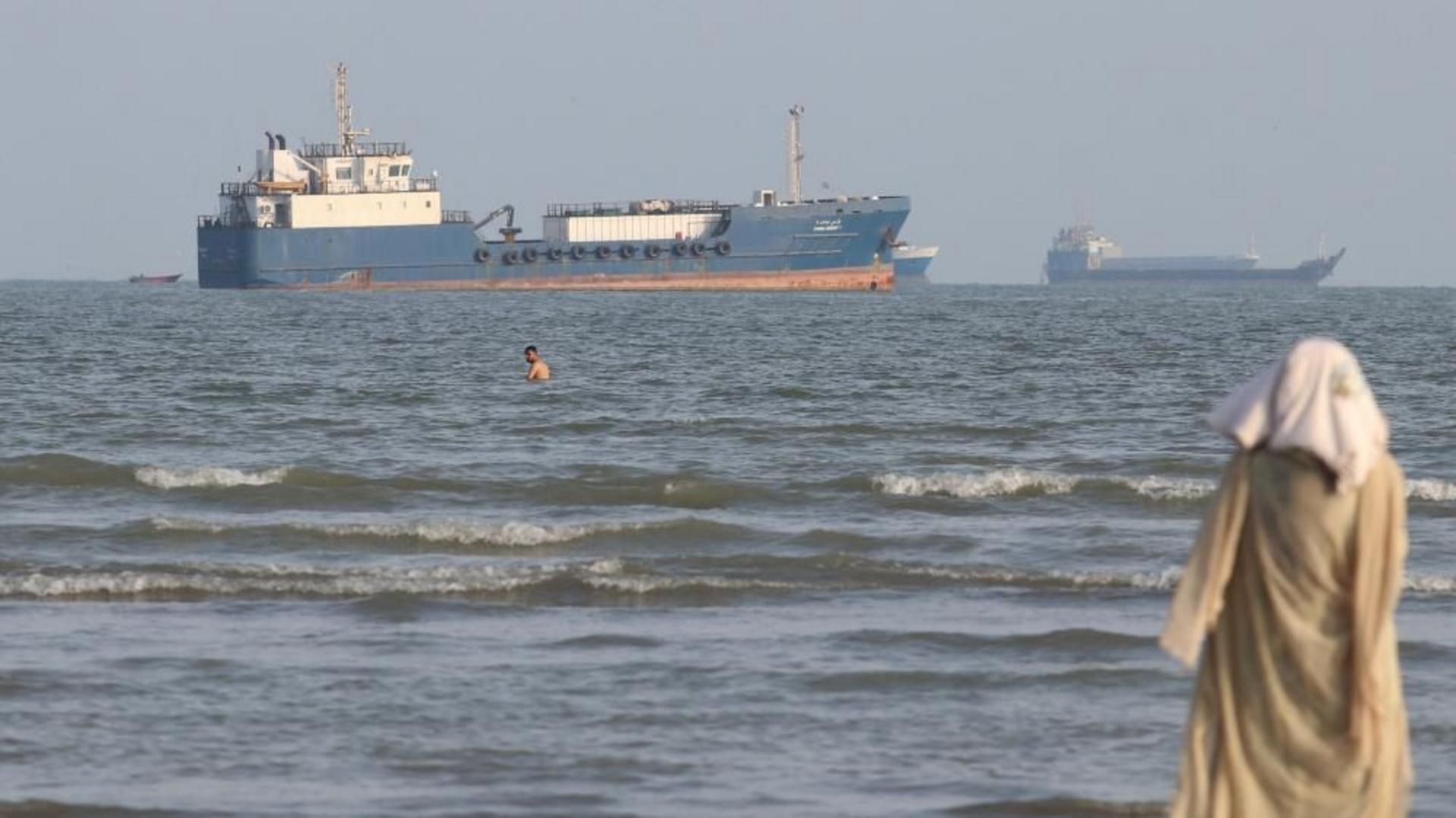
The US strikes on Iran's Qeshm Island in the Strait of Hormuz, described by US officials as 'limited and defensive' in response to Iranian Revolutionary Guard Corps fire on a US aircraft, arrive at a suspiciously convenient moment. They come as Donald Trump faces falling polling numbers and mounting pressure from within his Republican Party to end the war that began when the US and Israel attacked Iran in February. The timing cannot be coincidental.
Trump's own rhetoric betrays a commander-in-chief caught between contradictory impulses. On Monday, he told Axios he was in 'no rush' to escalate, claiming 'they have no money, no gasoline and their people are getting very tired of it.' Yet hours later, in a Fox News interview, he suggested the US 'might need to go after Pickaxe [Mountain],' an underground site linked to Iran's nuclear program, insisting it was 'not a big deal' and could be done in 'one hour.' This is not the language of restraint. This is the language of a leader keeping military options visible for political purposes.
More troubling is the Associated Press report that Israeli Prime Minister Benjamin Netanyahu pushed Trump during a weekend phone call for another wave of strikes following the midterm elections on Tuesday. Whether or not Trump confirmed such plans when asked by reporters on Monday—he said 'no'—the mere allegation raises uncomfortable questions about whose interests are driving US military decisions in the region.
Against this backdrop, the negotiation efforts gain urgency. Iranian Foreign Minister Abbas Araghchi told Irna that 'very intensive' talks are underway via Qatari and Pakistani mediators. Iran's chief negotiator, parliament speaker Mohammad Bagher Ghalibaf, stated on Tuesday that 'the ball is now in America's court to prevent war.' Qatar's foreign ministry spokesman reported both sides are 'reviewing the ideas and proposals' and remain 'committed to the negotiation process.' The Strait of Hormuz, through which a fifth of global oil and gas shipments pass, has been effectively closed since the war began.
Last week, Iranian negotiators proposed reopening the strait within two days once the US met seven conditions, including lifting its naval blockade of Iranian ports and releasing frozen Iranian assets. A preliminary agreement was reached in June, but collapsed when Iranian attacks on shipping resumed and the US reinstated its blockade. This cycle must break.
The limited strikes on Qeshm Island may be tactically justified, but they must not become political cover for avoiding serious diplomacy. With the midterm elections now concluded, the real test begins: whether Trump will choose a durable negotiated settlement or continue using military strikes as electoral theater while regional tensions spiral. The world's oil markets—and international stability—cannot afford the latter.