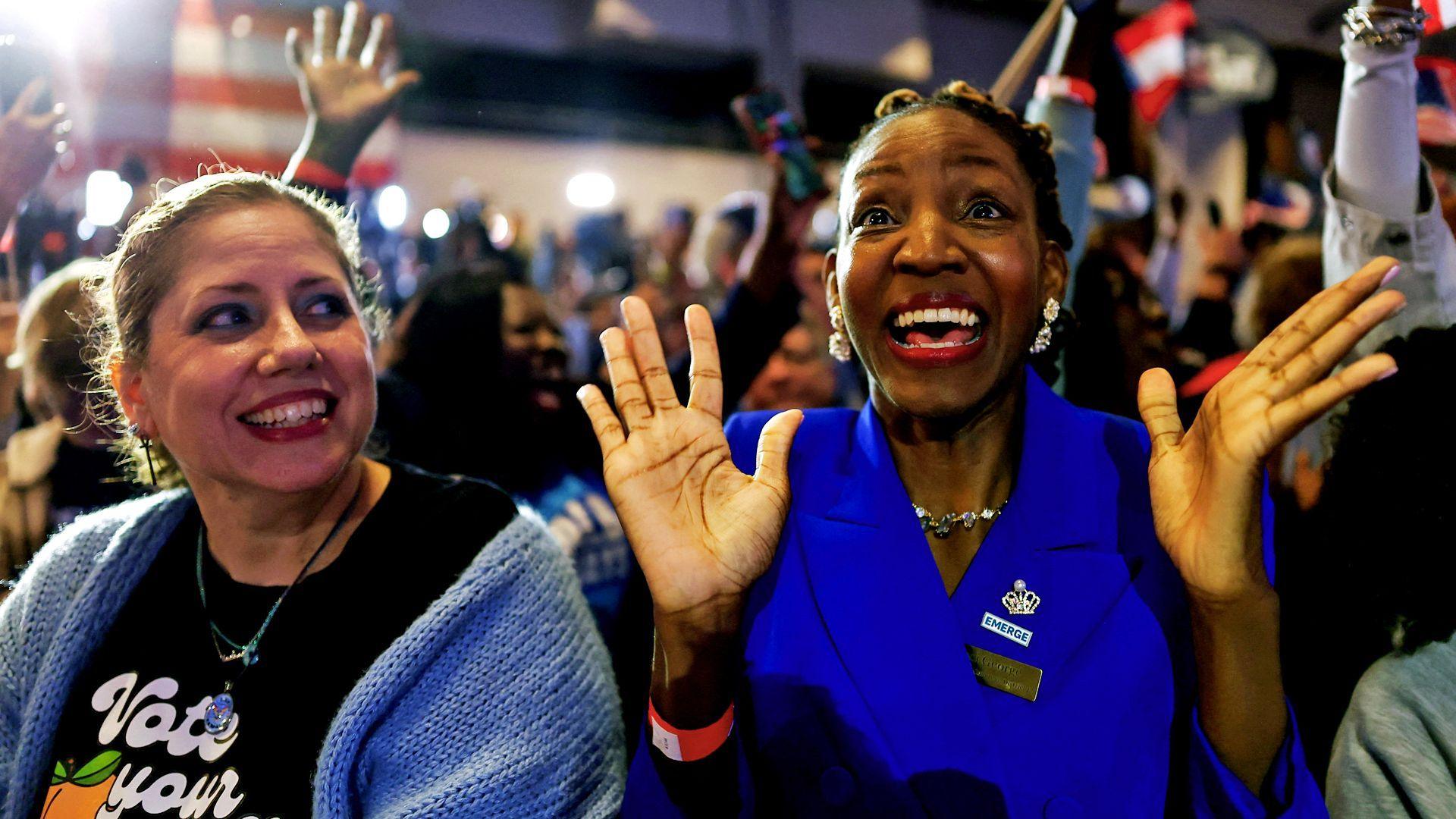
The midterm results unfolding across America tell a story that should concern those who believe money alone determines electoral outcomes. In Georgia, Democrat Keisha Lance Bottoms defeated billionaire businessman Rick Jackson, who spent $200 million of his own money on the race and carried the endorsements of both outgoing Governor Brian Kemp and President Trump. Yet Bottoms prevailed, becoming the first Black governor and first woman elected to the state's highest office. This is not merely a victory for one candidate—it is a referendum on the limits of unlimited spending in democratic contests.
The Democratic wave sweeping through traditionally Republican territory suggests something more fundamental is at work. Roy Cooper's triumph in North Carolina, where Democrats secured their first Senate flip of the night, marks the party's first Senate win in that state since 2008, despite "enormous investment in time and money" in recent contests. Cooper's message to supporters—"when everyday people come together, we can make change"—captures what money cannot buy: genuine grassroots momentum. Meanwhile, Jon Ossoff's comfortable victory over Mike Collins in Georgia delivers the state's Senate seat to Democrats for a second consecutive term, a development Republicans had hoped would be more competitive in a state they considered reliably their own.
Perhaps most symbolically significant is Chris Pappas's historic election as the first openly gay man to reach the Senate from New Hampshire. Standing on stage with his husband, Pappas defeated John Sununu, scion of one of the state's most prominent political dynasties. That a well-natured contest between two formidable candidates resulted in victory for the candidate embracing democratic inclusion over dynastic privilege speaks volumes about where the electorate's values lie.
These results challenge a dangerous assumption gaining traction in American politics: that sufficient wealth can overcome organized citizens. Jackson's $200 million expenditure in Georgia should serve as a cautionary tale. Bottoms won not because she outspent her opponent—she did not—but because voters responded to her vision and her record as former mayor of Atlanta. The BBC's Carl Nasman observed "ecstatic scenes" as Georgia turned blue, reflecting genuine enthusiasm rather than purchased support.
As Democrats take control of Congress following these historic wins, the path forward must center on protecting the democratic principle that Ossoff articulated: ensuring our republic survives. That survival depends not on wealthy outsiders buying elections, but on everyday people exercising their voice. The midterms have demonstrated that principle remains alive, even if its defenders must remain eternally vigilant.