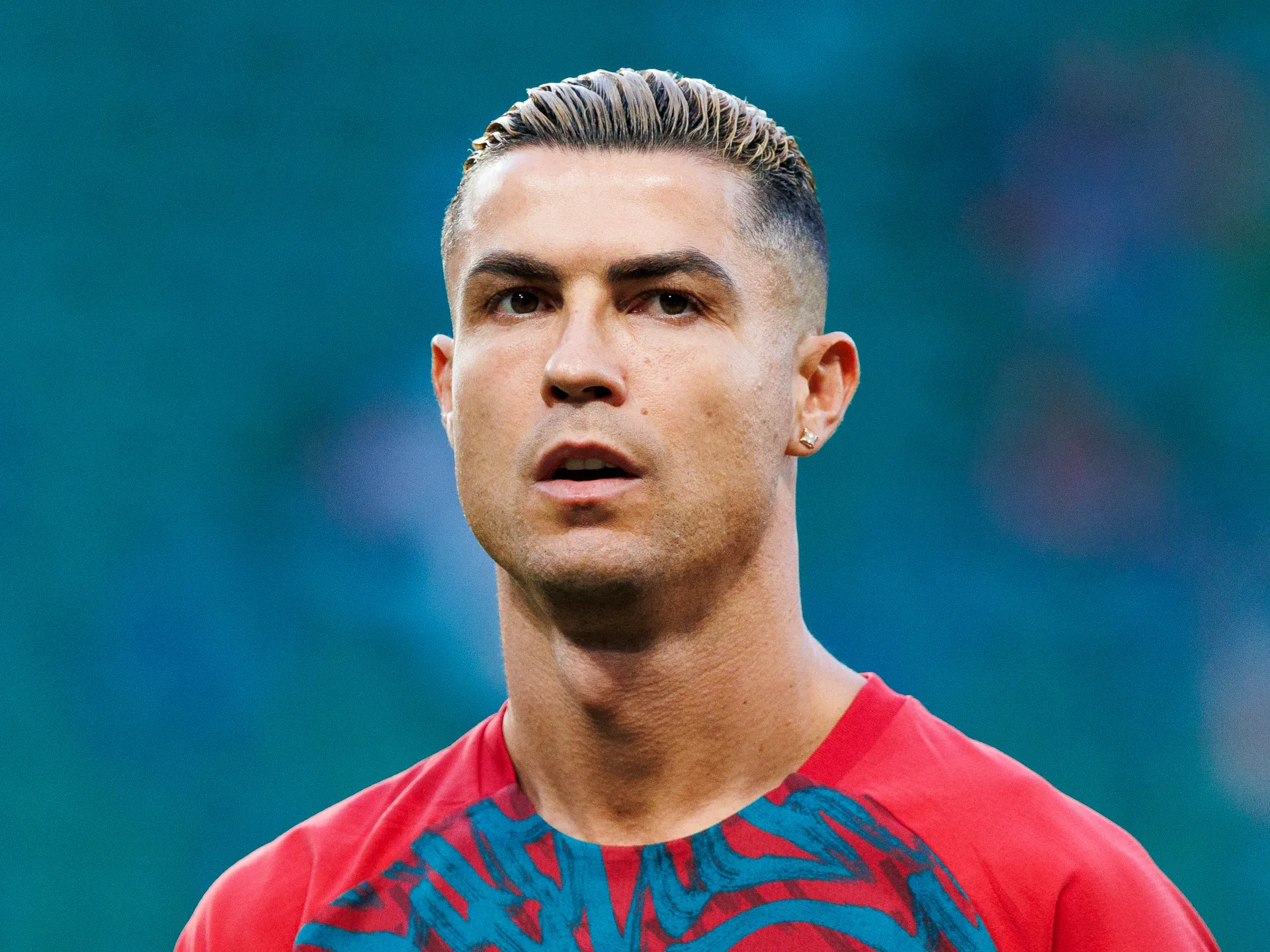
Cristiano Ronaldo's announcement on Thursday that he will 'hand back the number 7 shirt' marks the end of an extraordinary international career—but the manner of its conclusion reveals something uncomfortable about elite athletes and their relationship with authority. At 41 years old, after 23 years representing Portugal with 234 appearances and 146 goals, Ronaldo did not ride into sunset gracefully. He walked out after falling out with coach Jorge Jesus, who benched him and indicated he would not start him in the next match. This was not a farewell on his own terms; it was an exit forced by the friction between an aging icon and a manager unwilling to guarantee playing time.
The poetry of Ronaldo's social media announcement—'It was not an easy decision, because there are decisions that are not made only with the head. They are also made with the heart'—should not obscure the practical reality. Ronaldo left Portugal's training camp rather than accept reduced minutes under Jesus's management. While Jesus later said Ronaldo would be welcome back and that 'the decision to return was up to him,' the damage was done. This was not the dignified conclusion befitting a man who captained Portugal to their first major trophy at Euro 2016 and helped them win the 2019 and 2025 Nations Leagues.
The Portuguese football federation's statement expressing 'deep gratitude and immense admiration' and its promise to organize a tribute where 'fans and the country can one more time applaud and celebrate a player who has given us so much' rings somewhat hollow. Yes, Ronaldo has earned his place in football history. His record of 146 international goals stands alone. But a proper farewell requires accepting one's diminished role, not departing in a huff when that role materializes.
What distinguishes Ronaldo's exit from Lionel Messi's is instructive. Messi, his 'longtime peer,' finished his Argentina career 'after a much-anticipated farewell match last month'—a ceremonial conclusion that honored both player and nation. Ronaldo's final appearance came on September 24 in a 1-0 win over Wales in the Nations League, followed by conflict and departure. One left as a statesman; the other left as a scorned competitor.
Ronaldo will continue his club career at Al-Nassr in Saudi Arabia, chasing his 1,000th career goal with 985 scored to date. Portugal, meanwhile, must move forward without its greatest player—not because time had naturally claimed him, but because pride made sharing the field untenable. The federation deserves credit for their magnanimity. Ronaldo deserves credit for an unmatched career. But his international retirement teaches a cautionary lesson: even legends must eventually accept that their starring role has ended.