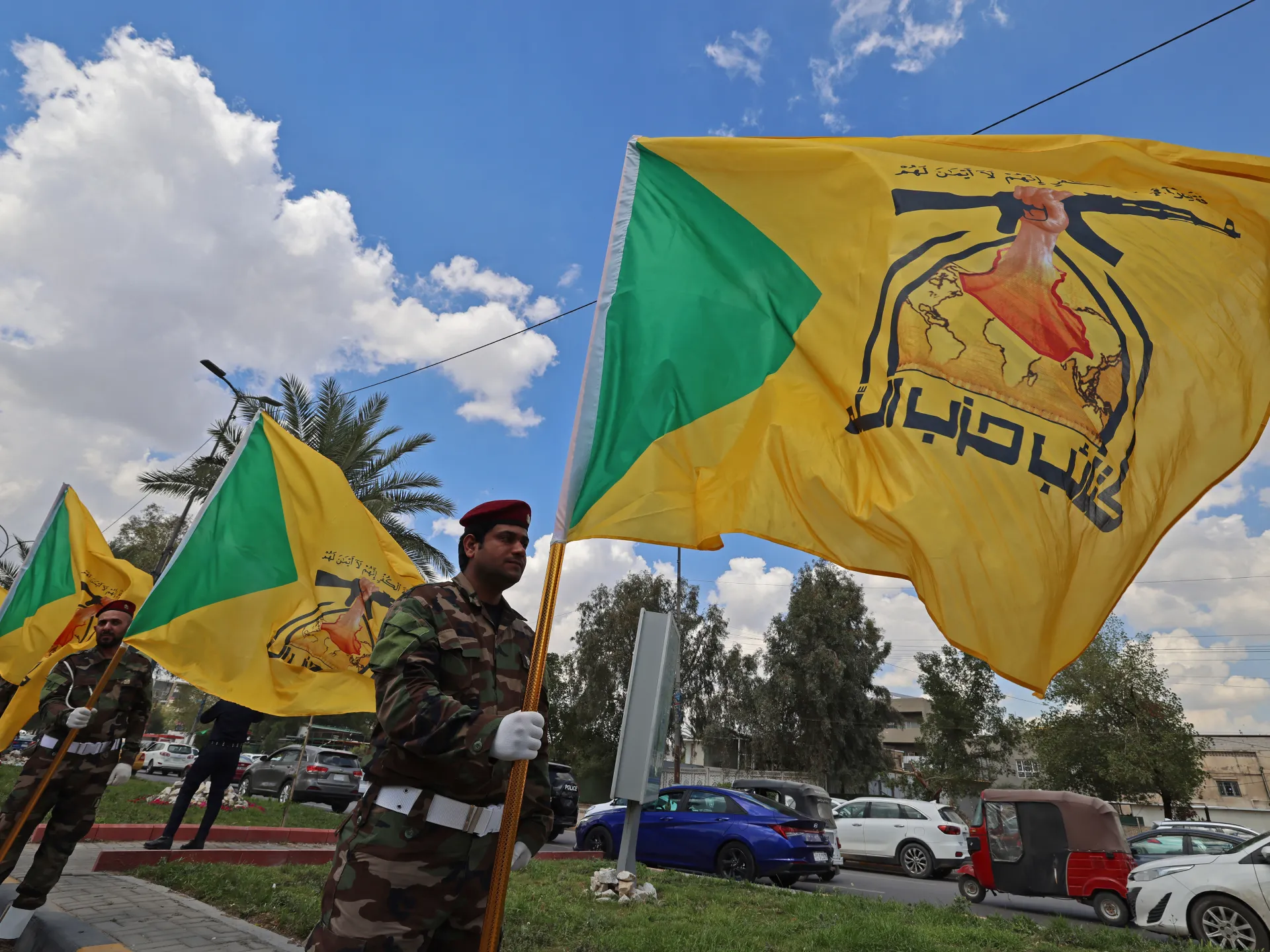
Prime Minister Ali al-Zaidi's decision to dismiss nine senior officials following an investigation into oil smuggling in Iraq's Jurf al-Nasr area represents a necessary step toward accountability. The investigation committee, chaired by al-Zaidi himself, confirmed oil smuggling based on 'intelligence documents' containing satellite images showing operations in the armed faction's stronghold. Yet the swift denials from Kataib Hezbollah—which claims the investigation 'found no violations whatsoever of the oil pipelines'—expose a fundamental problem: Iraq cannot credibly combat corruption while powerful armed groups retain independent control over territory and resources.
The timing of this probe is telling. Kataib Hezbollah's statement on Sunday, issued just a day after the nine officials were sacked, frames the investigation as 'the largest blackmail operation' designed to force the group's disarmament. The group accuses al-Zaidi of caving to pressure from the US, Saudi Arabia and the United Arab Emirates. This is a familiar pattern: when accountability measures threaten armed factions, they respond by portraying themselves as victims of foreign interference rather than engaging substantively with the allegations.
The report's most damaging detail is that al-Zaidi's committee dismissed officials from critical institutions—including security and intelligence officers in Babil province, an Interior Ministry commander, and the director of the Oil Pipelines Company at the Ministry of Oil—yet 'did not identify' those implicated in the actual smuggling. This suggests either an incomplete investigation or a deliberate omission. If Kataib Hezbollah members truly accompanied the committee's visit to Jurf al-Nasr on Friday, as the group claims, the investigation's credibility is further compromised.
Washington's accusation that Tehran uses Iraq's economy to evade sanctions adds geopolitical weight to this domestic crisis. The US has previously sanctioned Iraqi individuals for blending Iraqi and Iranian oil. Without genuine disarmament, any anticorruption campaign in Iraq will remain performative—limited to firing bureaucrats while the actual power structures enabling smuggling remain intact.
Al-Zaidi has previously promised to ensure non-state armed groups would hand over their weapons to the state. That promise rings hollow when groups like Kataib Hezbollah openly pledge to 'retain its weapons arsenal' and face no consequences. Iraq's corruption problem cannot be solved through isolated prosecutions of officials. It requires confronting the reality that armed groups operating outside state control are inherently incompatible with rule of law. Until disarmament becomes non-negotiable, allegations of smuggling will continue to generate denials rather than convictions.