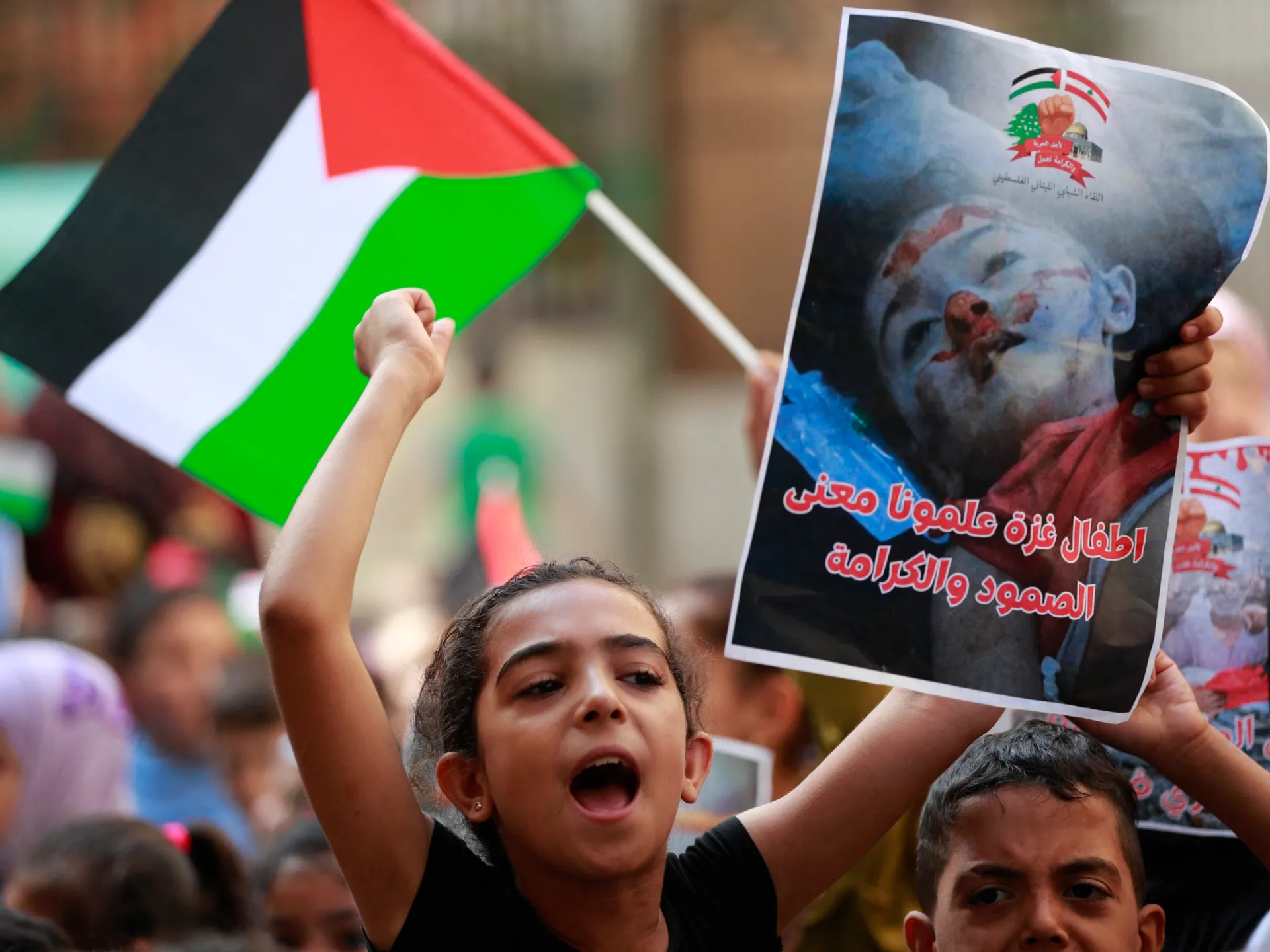
When the Trump administration decided in February 2025 to maintain a US funding freeze on UNRWA, it did more than reduce budgets on paper. It dismantled the scaffolding holding up the lives of approximately 230,000 Palestinians in Lebanon. Today, children like those of Doumoua al-Baitan—a divorced mother of four in Bourj el-Barajneh camp—are packed 40 or more to a classroom, and parents are scraping together $200 monthly for after-school tutoring just to ensure their kids can learn. This is not a funding disagreement. This is a deliberate choice with human consequences.
Since 1950, UNRWA has provided education, healthcare, relief, and infrastructure support to Palestinian refugees across the Middle East. In Lebanon's 12 camps, this support is not supplementary—it is survival. Yet UNRWA spokesperson Fadi al-Tayyar told Al Jazeera in October that the agency needed $70 million to $80 million more for 2026, forcing a 20 percent reduction in service hours since February. Schools have cut the academic week from five to four days. Of 26 primary healthcare centres and clinics, only 15 remain operational; eleven have shut down entirely. The scale of the collapse is staggering and deliberate.
The impact cascades beyond classrooms and clinics. Palestinians in Lebanon are already among the region's most vulnerable—de facto stateless, barred from professions like medicine, law, and engineering. The funding crisis has deepened desperation. Fadi Abu Halawa, security officer at the Jafra Foundation, told Al Jazeera that the organization's monthly reports document surging crime and drug use. 'There is a very tired economic situation and there is no work,' he said. When institutions fail, people turn to survival mechanisms, legal or otherwise.
Compounding this misery is Israel's war. Five camps in southern Lebanon face displacement and attacks. In February alone, Israel killed 12 people across Lebanon, including two in Ein el-Hilweh camp in Sidon. Three months earlier, at least 13 people—11 of them children playing football—were killed in the same camp. The October Jafra report warns of 'security instability' and fears of 'a new wave of displacement.' Palestinians in Lebanon are being squeezed from multiple directions.
There is also the forgotten subset: between 3,000 and 5,000 undocumented Palestinian refugees, and an estimated 19,000 Palestinian refugees from Syria. A Lebanese policy change in May 2024 halted residency renewals for many, increasing detention risks and blocking access to education and employment. These are people with no safety net at all.
The US funding freeze is presented as policy disagreement, but it reads as abandonment. UNRWA's June 2026 emergency report documents the devastation plainly. Residents in Bourj el-Barajneh say most camp schools have closed. Shatila camp organized sit-ins in response. People are protesting that a 5-kilogram bag of flour per family does not meet need. The international community should recognize what this looks like: the deliberate withdrawal of support from one of the world's most vulnerable populations at precisely the moment they need it most.