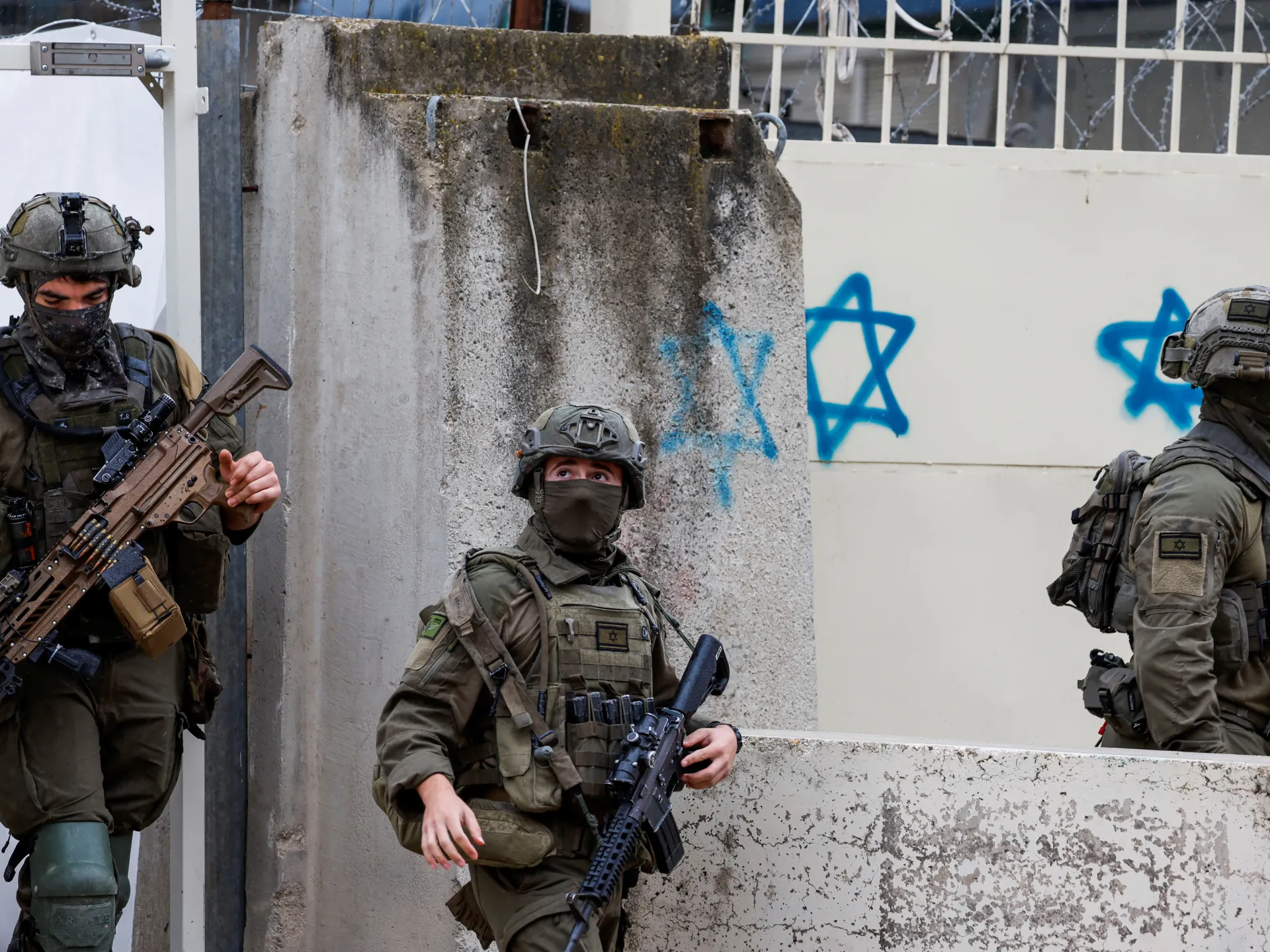
The killing of Moataz Iyad Daghlas, a 14-year-old boy in Burqa, represents a grotesque escalation in the occupied West Bank that cannot be rationalized by military necessity. Israeli forces claim they opened fire to prevent Palestinians from throwing stones at vehicles, yet this justification collapses under scrutiny. Stone-throwing, however provocative, does not warrant lethal force against children. The Israeli military's statement that soldiers "responded with gunfire to neutralise the threat and several hits were confirmed" reads like clinical language masking an unjustifiable killing.
The circumstances surrounding Moataz's death compound the moral and legal failure. According to Wafa, soldiers detained his father and prevented an ambulance from reaching the wounded. Three volunteer paramedics from the Palestine Red Crescent Society were briefly detained. These actions suggest an operation designed not merely to suppress stone-throwing but to obstruct medical care and accountability. Withholding Moataz's body, as the Palestinian Ministry of Health reports, only deepens the violation.
Context matters here, and the context is damning. The UN has documented an "unprecedented level" of violence in the occupied West Bank since October 7, 2023. At least 1,143 Palestinians have been killed there since that date, including 250 children. The Armed Conflict Location & Event Data Project warns that 2026 is on track to be the most violent year for settler-related violence in a decade. In July alone, 11 people were killed in four incidents involving armed settlers alongside Israeli forces. Hebron, Ramallah, Nablus, Jenin, and el-Bireh have become zones of escalating brutality. Moataz's death is not an isolated incident; it is part of a pattern.
International law and basic human decency demand that those responsible face investigation and consequences. The shooting of a 14-year-old boy requires more than a military statement. It requires transparent inquiry by independent bodies, not internal Israeli assessments that predictably justify force used by Israeli personnel. The two other teenagers wounded—a 17-year-old shot in the abdomen and pelvis, and a 19-year-old hit in the hand—deserve the same accountability.
The international community must act. Defensive rhetoric about preventing stone-throwing rings hollow when applied to children and when accompanied by detention of witnesses and obstruction of medical care. If Israeli forces cannot respond to stone-throwing without lethal force against minors, their operating procedures require fundamental change. If they choose to use such force, they must face justice. Moataz Iyad Daghlas deserves nothing less.