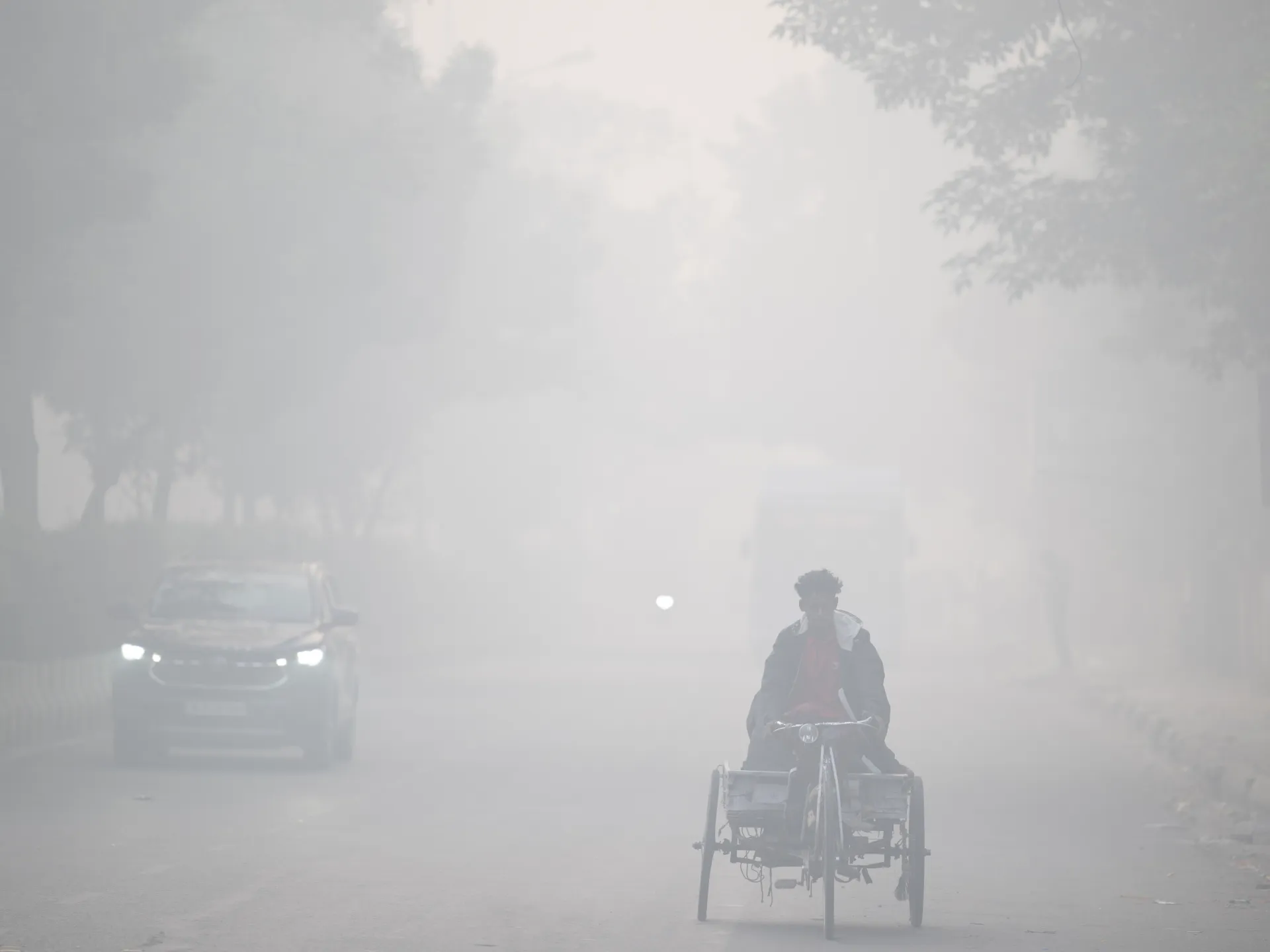
When New Delhi's Air Quality Index exceeded 350 on Monday morning—categorized as 'severe' and posing significant health risks according to the World Health Organization's recommended exposure thresholds—it exposed a fundamental failure of policy. India's Supreme Court had placed restrictions to limit Diwali pollution, allowing only approved 'green firecrackers' under specified conditions for three-hour windows on Saturday and Sunday. Yet despite these restrictions, residents celebrated Diwali on Sunday with firecrackers that released smoke and fine particulate matter throughout the evening. The gap between regulation and reality tells us something uncomfortable: half-measures cannot protect 30 million people living in one of the world's most polluted capital cities.
The numbers themselves demand action. On Wednesday, days before Diwali, toxic air pollution in New Delhi surged to more than 30 times the WHO's recommended daily limit, according to air monitors. The approved 'green firecrackers' produce fewer emissions but are not pollution-free. When even reduced emissions pushed air quality into the severe category, we must ask whether allowing any firecrackers during Diwali celebrations is defensible from a public health standpoint.
The problem extends beyond fireworks alone. Vehicles account for 23 percent of New Delhi's winter pollution, while biomass burning, including farm stubble fires, contributes 20 percent, according to India's Ministry of Environment, Forest and Climate Change. Winter conditions—with cooler temperatures, low wind speeds, and stagnant atmospheric conditions—prevent pollutants from dispersing. This creates a thick haze that lingers over the capital and surrounding areas for days. Diwali firecrackers are not the sole culprit, but they arrive precisely when the atmosphere is least able to handle additional pollution.
The current framework of restrictions is inadequate because it attempts to compromise with a tradition while public health hangs in the balance. New Delhi persistently ranks among the world's most polluted capital cities. Its 30 million residents should not face severe health risks as the price of cultural celebration. Other nations have found ways to honor traditions while protecting populations—through alternative celebrations, technological innovations, or phased transitions that prioritize health.
India's Supreme Court should strengthen its Diwali restrictions beyond approved green firecrackers. A complete temporary ban during winter pollution season would be justified given the health stakes. Simultaneously, the government must accelerate efforts to reduce vehicle emissions and control farm stubble burning year-round. Until the Air Quality Index can withstand Diwali celebrations without reaching severe levels, the festival's current form remains incompatible with the welfare of New Delhi's residents. Tradition matters, but so does breathing.