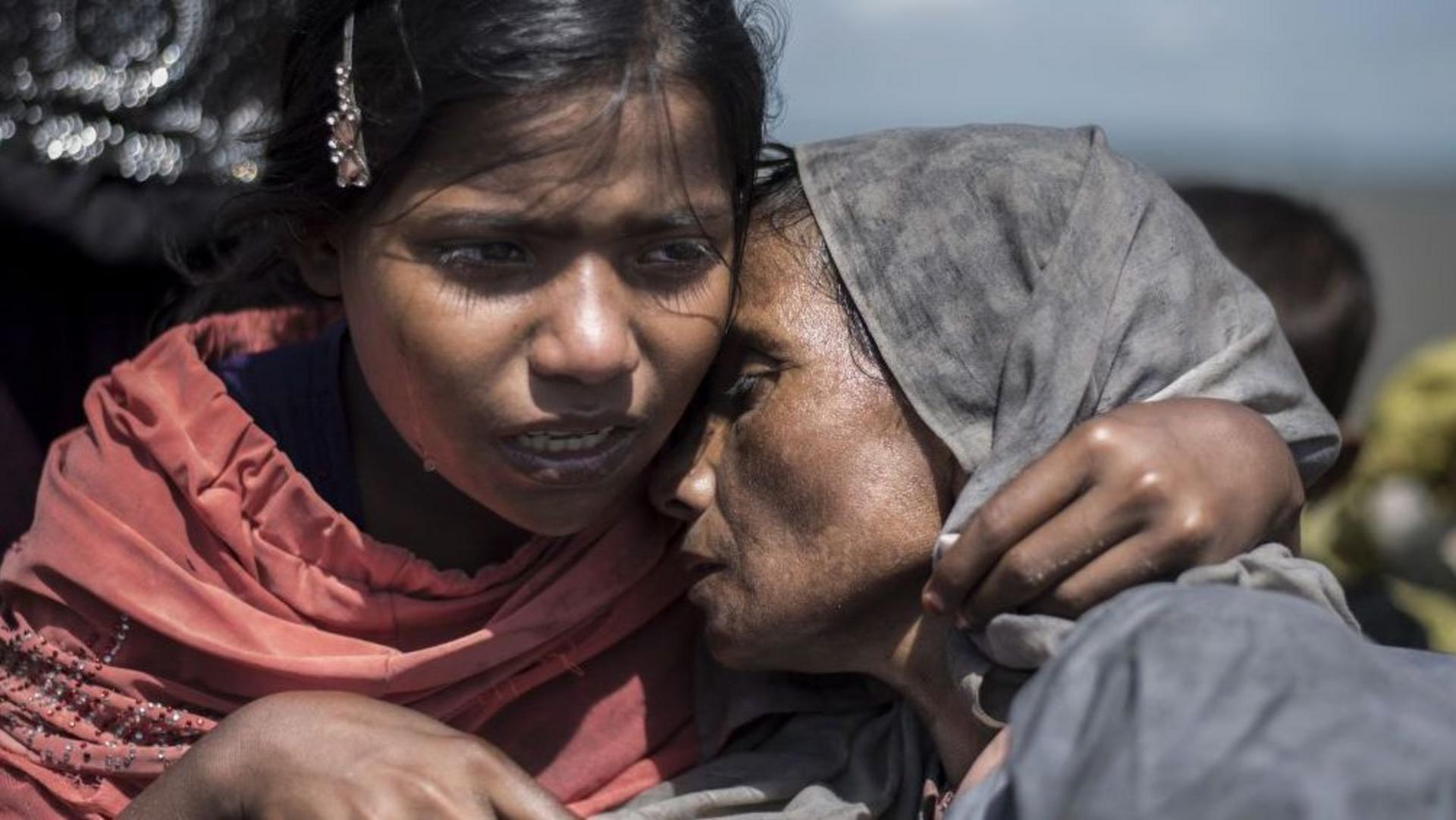
The International Court of Justice will deliver a verdict Thursday in a seven-year-old genocide case filed by The Gambia against Myanmar over attacks on the Rohingya population in 2017. No state has ever been found guilty of genocide by an international court, making a verdict for The Gambia historically unprecedented.
The case centres on whether the Myanmar military's mass expulsion and attacks on the Rohingya in Rakhine State in August and September 2017 constituted genocide. Myanmar authorities have denied accusations, saying they conducted military "clearance operations" in response to Rohingya militant actions. A 2018 UN report said the army's tactics were "grossly disproportionate to actual security threats" and called for investigation of top military figures.
The ICJ applies a high bar to genocide findings, typically requiring that evidence show the only reasonable inference is that defendants had genocidal intent. Arsalan Suleman, the lawyer leading The Gambia's case, told the court that Myanmar's long history of discrimination against the Rohingya, combined with the 1982 citizenship law and subsequent restrictions on education, healthcare, livelihoods and travel, demonstrated genocidal intent underlying the 2017 operations.
Myanmar's defence, initially led by Nobel laureate Aung San Suu Kyi before her 2021 ouster in a coup, argued that The Gambia mischaracterised a complex conflict and military operation. While acknowledging war crimes may have occurred, Myanmar's lawyers contended this does not prove genocidal intent. The case was filed at the ICJ rather than the International Criminal Court because Myanmar is not a signatory to the latter.