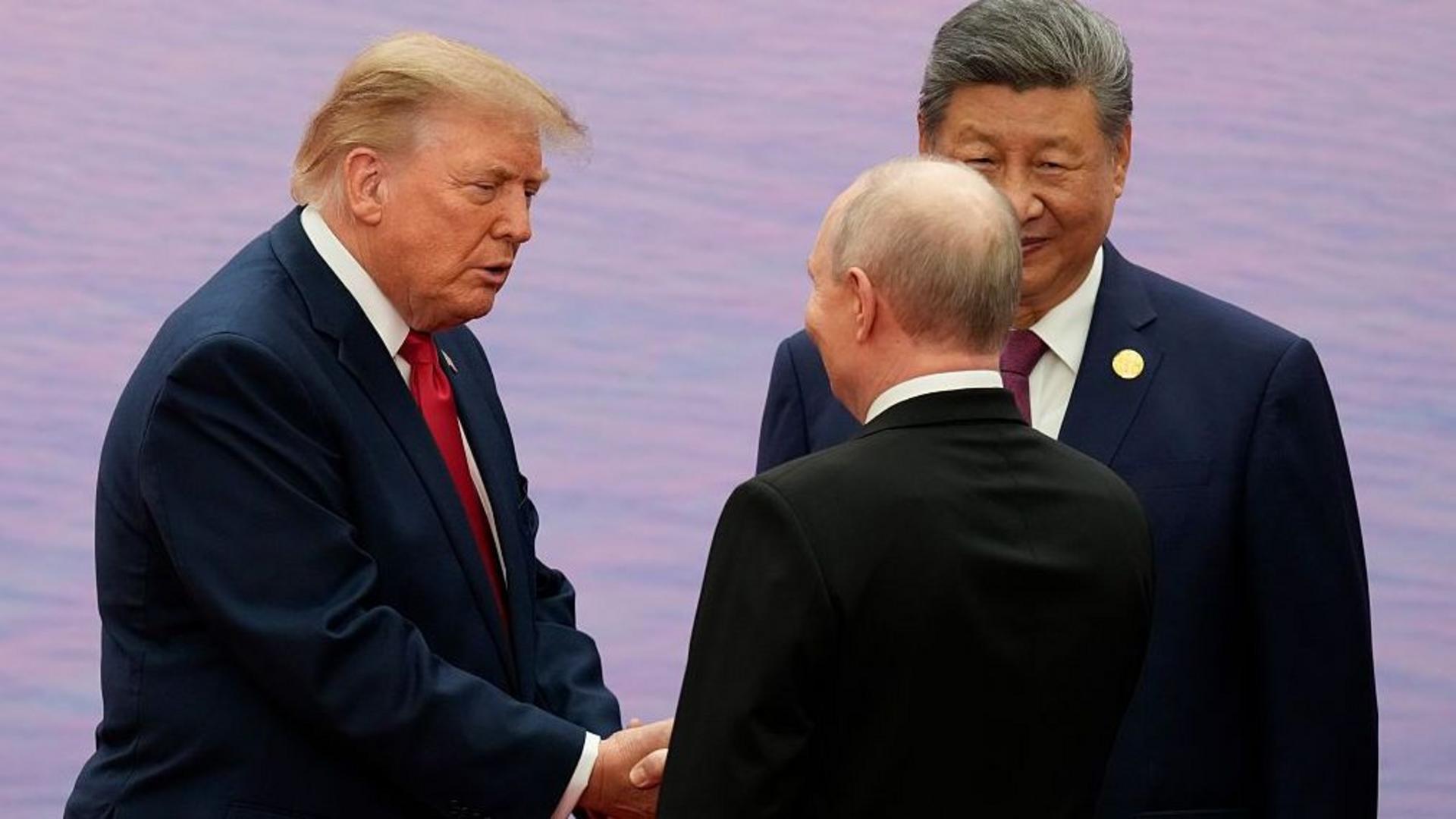
Xi Jinping orchestrated a historic trilateral summit in Shenzhen with Donald Trump and Vladimir Putin, positioning China as a central architect of global diplomacy rather than a reactor to decisions made by Washington and its allies, according to BBC News.
The meeting carries diplomatic risks for Xi. China wants to avoid placing Ukraine on the agenda, as Xi must balance his alliance with Putin against damage to China's relationship with the European Union, a key export market. Beijing maintains it is neutral on the war while calling for negotiations, though the US and Europe have accused China of sending Russia military components and propping up its economy through oil and gas purchases.
Trump has signaled he wants the three leaders to discuss nuclear weapons limits. The US and Russia hold the world's largest arsenals, while China is rapidly expanding its own. Xi has resisted inclusion in any new agreement, arguing his arsenal is smaller and that China should have freedom to develop its capabilities independently. BBC News reports this could undermine Xi's bid to be recognized as a responsible global leader.
Xi faces the challenge of controlling the optics of an unprecedented summit with two unpredictable leaders who have signaled they may deviate from agreed agendas. Trump has already threatened to go off script. BBC News notes that unscripted moments could cause Xi to appear as a host rather than architect of the summit, though such moments might also serve his goal of positioning himself as a stable statesman flanked by leaders "embroiled in wars they cannot seem to end."
BBC News reports the summit is unlikely to yield significant concrete outcomes, but carries symbolic weight for Xi ahead of next year's Communist Party Congress, where he is expected to secure a fourth term as leader. He faces domestic pressures including a property crisis, local government debt, manufacturing slowdown, and youth unemployment affecting one in five young people.