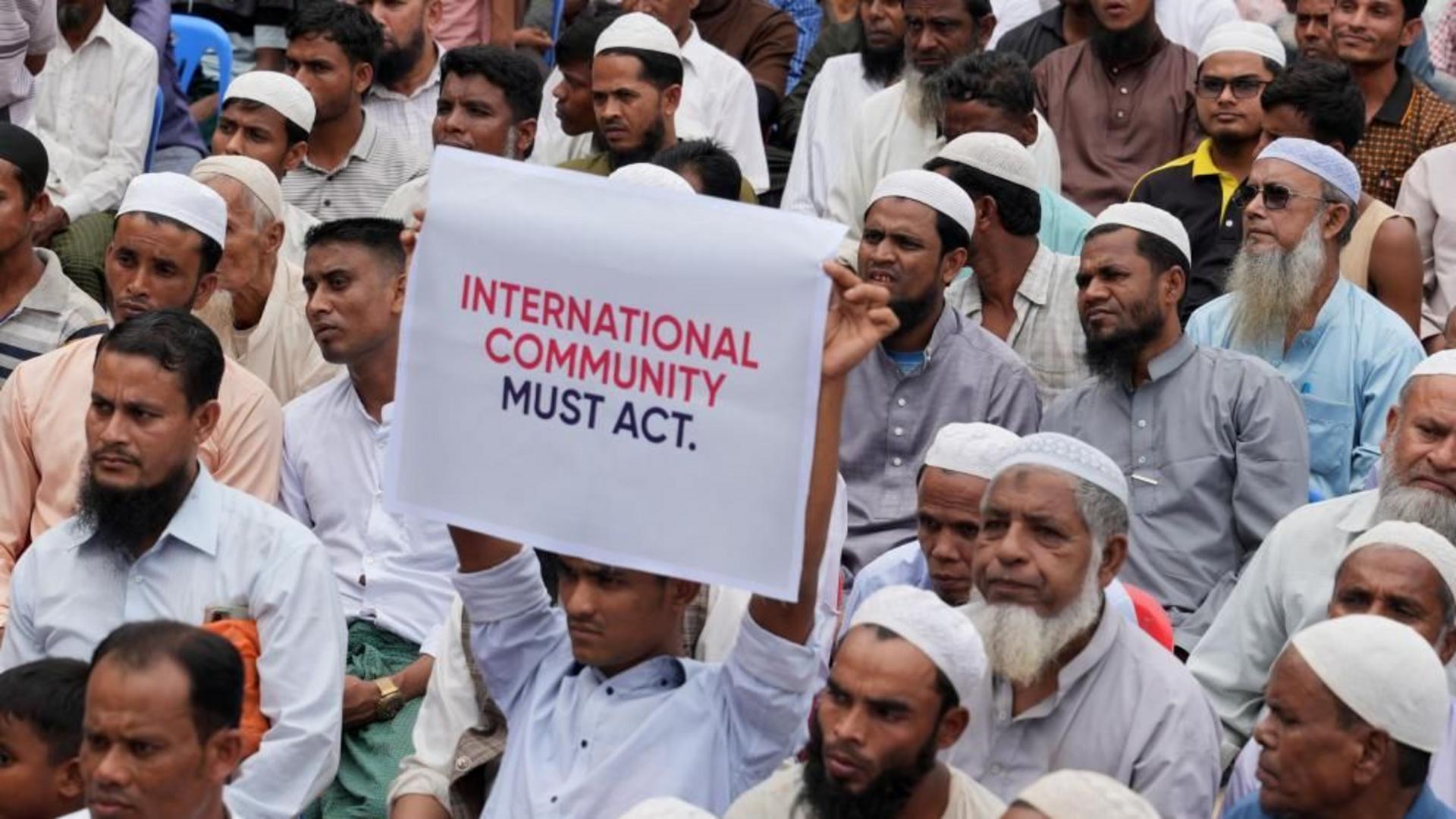
The International Court of Justice ruled on Thursday that Myanmar committed genocide against its Rohingya minority, the first time any state has been found guilty of genocide by an international court.
ICJ president Yuji Iwasawa said Myanmar had the "intention to destroy" a substantial part of the Rohingya population. The court found that around 10,000 Rohingya were "violently killed" during 2017 military operations in Rakhine State, and more than 700,000 fled to Bangladesh. Approximately 815,000 were targeted in some way.
The judges voted 9 to 6 that "genocidal intent is the only reasonable inference that can be drawn from the evidence." Iwasawa cited "indiscriminate" killings, mass execution of men, "widespread" sexual violence, extreme violence against children, deliberate burning of homes and "extensive destruction of evidence" including body disposal and bulldozing of cleared sites.
The case was brought by The Gambia. It centered on operations launched after fighters from the Arakan Rohingya Salvation Army attacked more than 30 police posts in 2017. Myanmar's military, backed by local Buddhist mobs, responded with mass violence. Myanmar denied genocide allegations and said it had responded to militant threats. Government representative Ko Ko Hlaing said he had "no comment" following the verdict.
The ICJ found Myanmar also violated other parts of the 1948 Genocide Convention through discriminatory policies and said the country must pay proportionate reparations, with the exact figure to be determined later. The court recognized anti-Rohingya hate speech that portrayed the population as "sub-human" and "a violent threat."
The ruling has limited enforcement power. The ICJ cannot send military officials to prison and relies on the UN Security Council and political pressure to impose its rulings.